


Juan F Munoz, Florida State License #HI17060
The Scope and Purpose of a Home Inspection
Purchasing property involves risk
The purpose of a home inspection is to help reduce the risk associated with the purchase of a structure by providing a professional opinion about the overall condition of the structure. A home inspection is a limited visual inspection and it cannot eliminate this risk. Some homes present more risks than others. We cannot control this, but we try to help educate you about what we don’t know during the inspection process. This is more difficult to convey in a report and one of many reasons why we recommend that you attend the inspection.
A home inspection is not an insurance policy
This report does not substitute for or serve as a warranty or guarantee of any kind. Home warranties can be purchased separately from insuring firms that provide this service.
A home inspection is visual and not destructive
The descriptions and observations in this report are based on a visual inspection of the structure. We inspect the aspects of the structure that can be viewed without dismantling, damaging or disfiguring the structure and without moving furniture and interior furnishings. Areas that are concealed, hidden or inaccessible to view are not covered by this inspection. Some systems cannot be tested during this inspection as testing risks damaging the building. For example, overflow drains on bathtubs are generally not tested because if they were found to be leaking they could damage the finishes below. Our procedures involve non-invasive investigation and non-destructive testing which will limit the scope of the inspection.
This is not an inspection for code compliance
This inspection and report are not intended for city / local code compliance. During the construction process structures are inspected for code compliance by municipal inspectors. Framing is open at this time and conditions can be fully viewed. Framing is not open during inspections of finished homes, and this limits the inspection. All houses fall out of code compliance shortly after they are built, as the codes continually change. National codes are augmented at least every three years for all of the varying disciplines. Municipalities can choose to adopt and phase in sections of the codes on their own timetables. There are generally no requirements to bring older homes into compliance unless substantial renovation is being done.
This is just our opinion
Construction techniques and standards vary. There is no one way to build a house or install a system in a house. The observations in this report are the opinions of the home inspector. Other inspectors and contractors are likely to have some differing opinions. You are welcome to seek opinions from other professionals.
The scope of this inspection
This inspection will include the following systems: exterior, roof, structure, drainage, foundation, attic, interior, plumbing, electrical and heating. The evaluation will be based on limited observations that are primarily visual and non-invasive. This inspection and report are not intended to be technically exhaustive.
Your expectations
The overall goal of a home inspection is to help ensure that your expectations are appropriate with the house you are proposing to buy. To this end we assist with discovery by showing and documenting observations during the home inspection. This should not be mistaken for a technically exhaustive inspection designed to uncover every defect with a building. Such inspections are available but they are generally cost-prohibitive to most homebuyers.
Your participation is requested
Your presence is requested during this inspection. A written report will not substitute for all the possible information that can be conveyed verbally by a shared visual observation of the conditions of the property.
How to Read This Report
Getting the Information to You
This report is designed to deliver important and technical information in a way that is easy for anyone to access and understand. If you are in a hurry, you can take a quick look at our "Summary Page” and quickly get critical information for important decision making. However, we strongly recommend that you take the time to read the full Report, which includes digital photographs, captions, diagrams, descriptions, videos and hot links to additional information.
The best way to get the layers of information that are presented in this report is to read your report online, which will allow you to expand your learning about your house. You will notice some words or series of words highlighted in blue and underlined – clicking on these will provide you with a link to additional information.
This report can also be printed on paper or to a PDF document.
Chapters and Sections
This report is divided into chapters that parcel the home into logical inspection components. Each chapter is broken into sections that relate to a specific system or component of the home. You can navigate between chapters with the click of a button on the left side margin.
Most sections will contain some descriptive information done in black font. Observation narrative, done in colored boxes, will be included if a system or component is found to be significantly deficient in some way or if we wish to provide helpful additional information about the system or the scope of our inspection. If a system or component of the home was deemed to be in satisfactory or serviceable condition, there may be no narrative observation comments in that section and it may simply say “tested,” or “inspected.”
Observation Labels
All narrative observations are colored, numbered and labeled to help you find, refer to, and understand the severity of the observation. Observation colors and labels used in this report are:
- Major Concern:Repair items that may cost significant money to correct now or in the near future, or items that require immediate attention to prevent additional damage or eliminate safety hazards.
- Repair / Replace:Repair or replace and maintenance items noted during inspection. Please note that some repair items can be expensive to correct such as re-finishing hardwood floors, but are considered simply repair items due to their cosmetic nature.
- Recommended Maintenance:These are repair items that should be considered "routine home ownership items," such as servicing the furnace, cleaning the gutters or changing the air filters in the furnace.
- Monitor:Items that should be watched to see if correction may be needed in the future.
- Note:Refers to aside information and /or any comments elaborating on descriptions of systems in the home or limitations to the home inspection.
Summary Page
The Summary Page is designed as a bulleted overview of all the observations noted during inspection. This helpful overview is not a substitution for reading the entire inspection report. The entire report must be read to get a complete understanding of this inspection report as the Summary Page does not include photographs or photo captions.
Summary
Major Concerns
- I-1 Interior - Steps, Stairways, & Railings:
HANDRAIL ASSEMBLY DETACHMENT DUE TO WOOD DAMAGE
The inspection revealed that one end of the handrail assembly has detached from the wall. This appears to be due to prior wood-destroying organism damage affecting the interior wall structure. The compromised wood may no longer provide adequate support for the handrail, posing a potential safety concern.
It is recommended that a qualified contractor evaluate the extent of the damage, repair or replace any deteriorated structural material, and properly resecure the handrail to ensure stability and safety.
Repair Replaces
- R-3 Roof - Covering:
DAMAGE MINOR: WORKMEN
The asphalt shingle roof had minor visible damage which appeared to be made by workmen’s equipment, such as dropped tools or impact from equipment.
- E-1 Electrical - Electric Service Equipment:
CABINET INTERIOR CONDITION CORROSION: MODERATE
Interior components of the electrical service panel exhibited moderate amounts of corrosion indicating moisture intrusion. Corrosion can degrade electrical contacts with the potential to cause problems related to component overheating. This condition is a potential fire hazard. The Inspector recommends that an evaluation be performed by a qualified electrical contractor to ensure that electrical connections have not deteriorated and that no ongoing moisture intrusion problem exists.
- P-4 Plumbing - Water Heater:
TEMPERATURE/PRESSURE RELIEF (TPR) IMPROPER INSTALLATION
The temperature and pressure relief (TPR) discharge pipe for the water heater is flexible and has an upward loop instead of discharging properly within the same room, terminating no more than 6 inches above the ground. This configuration may restrict proper drainage and could prevent the valve from functioning as intended in the event of excessive pressure or temperature buildup.
It is recommended that the discharge pipe be corrected to meet proper installation standards, ensuring it allows for unobstructed flow and terminates in an appropriate location. A qualified plumber should evaluate and make the necessary modifications.
Recommended Maintenance Items
- E1-2 Exterior - Eaves, Soffits and Fascia:
SOFFITS SAGGING: FASCIA CUPPING
Cupping of wood fascia has resulted in sagging of the soffit in some areas around the home. Repair will require fascia replacement. All work should be performed by a qualified contractor.
Monitors
- E1-1 Exterior - Driveway / Walkways:
WOOD DECK DETERIORATION
The inspection revealed areas of wood rot deterioration at the walkway deck. The affected sections show signs of moisture damage, which has led to weakening of the material. If left unaddressed, this deterioration may compromise the structural integrity of the deck and create potential safety concerns.
It is recommended that a qualified contractor evaluate the extent of the damage and perform necessary repairs or replacements to restore the walkway deck's stability and longevity. Regular maintenance and sealing may help prevent future deterioration.
- P-3 Plumbing - Water Heater:
TEMPERATURE/PRESSURE RELIEF (TPR) DISCHARGE PIPE: TERMINATION NOT VISIBLE
The termination point of the discharge pipe for the water heater temperature/pressure relief (TPR) valve was not readily observable. The termination should be visible to help ensure that the termination is never capped. The Inspector recommends correction by a qualified HVAC or plumbing contractor.
Notes
- ID-1 Inspection Details - Property Details:
This home was occupied at the time of the inspection. Inspection of occupied homes presents some challenges as occupant belongings can obstruct visual inspection of and access to parts of the building. We do our best during inspection to work around belongings to discover as much as possible about the house without moving or damaging personal property, however, the presence of personal items does limit the inspection.
- R-2 Roof - General:
MAINTENANCE BY ASSOCIATION
The roofs are the responsibility of the association. Any maintenance, repairs, or concerns should be reported to the appropriate management or board for further evaluation and action as needed.
- R-4 Roof - Gutters & Downspouts:
GUTTERS NONE
There are no rain gutters on this home. Recommend installing gutters to improve drainage and ensure runoff is carried away from the home.
- E1-3 Exterior - Fences:
FENCING CONDITION: CONCRETE CRACKING AND DETERIORATION
The inspection revealed cracking and deterioration in the concrete fence. The affected areas show signs of wear, which may be due to age, weather exposure, or structural movement. If left unaddressed, these conditions could lead to further degradation and potential stability concerns.
It is recommended that a qualified contractor evaluate the extent of the damage and perform necessary repairs to restore the fence’s structural integrity and prevent further deterioration.
- E1-4 Exterior - Fences:
FENCING RESPONSABILITY ASSOCIATION
The fence may not be the responsibility of the homeowner, as maintenance and repairs could fall under the association’s jurisdiction. It is advisable for the homeowner to confirm with the association regarding responsibility for the fence to ensure proper communication and management of any necessary repairs or maintenance.
- S-1 Structure - Attic:
ACCESS LOCATION
The Attic Access Location is: Second Floor Hallway
- S-2 Structure - Attic:
INSULATION VALUE
The inspection revealed that the attic has approximately 5 inches of insulation, which results in a lower-than-ideal R-value for energy efficiency. Insufficient insulation can lead to heat loss in the winter and heat gain in the summer, potentially increasing energy costs and reducing overall comfort.
It is recommended that additional insulation be installed to improve the R-value and enhance energy efficiency. A qualified insulation contractor can assess the attic and recommend the appropriate type and amount of insulation based on local climate and energy standards.
- H-1 HVAC - Heating and Cooling Systems:
DESCRIPTION AGE
The age of the air handler unit is Less than a year old
- H-2 HVAC - Heating and Cooling Systems:
DESCRIPTION AGE
The age of the condensing unit is 14 years old
- P-2 Plumbing - Water Heater:
DESCRIPTION AGE
The age of the water heater unit is 5 years old
The Complete Inspection Report
Exterior
Driveway / Walkways
Siding, Flashing and Trim
Eaves, Soffits and Fascia
Exterior Doors
Exterior Windows
Vegetation & Drainage
Fences
Balconies
Propane Storage
Gas Meter
Electrical
Service Entrance Conductors
Electric Service Equipment
Sub Panel
Electrical Grounding System
Branch Wiring
Receptacles and Fixtures
Smoke and Carbon Monoxide Alarms
Solar
Inspection Details
Property Details
Style of Home: Town Home
Approximate Square Footage: 1000
Approximate Year of Original Construction: 1983
Attending the Inspection: Owner
Occupancy: Occupied
Weather: Dry, Cloudy
Approximate Temperature Outside: 72
Ground / Soil Surface Conditions: Dry
Front Door Faces: East
Bedrooms: 2
Badrooms: 1, 1/2
Inspection Type: Other
Other
Folio #: 00-0000-000-0000
This home was occupied at the time of the inspection. Inspection of occupied homes presents some challenges as occupant belongings can obstruct visual inspection of and access to parts of the building. We do our best during inspection to work around belongings to discover as much as possible about the house without moving or damaging personal property, however, the presence of personal items does limit the inspection.
Roof
General
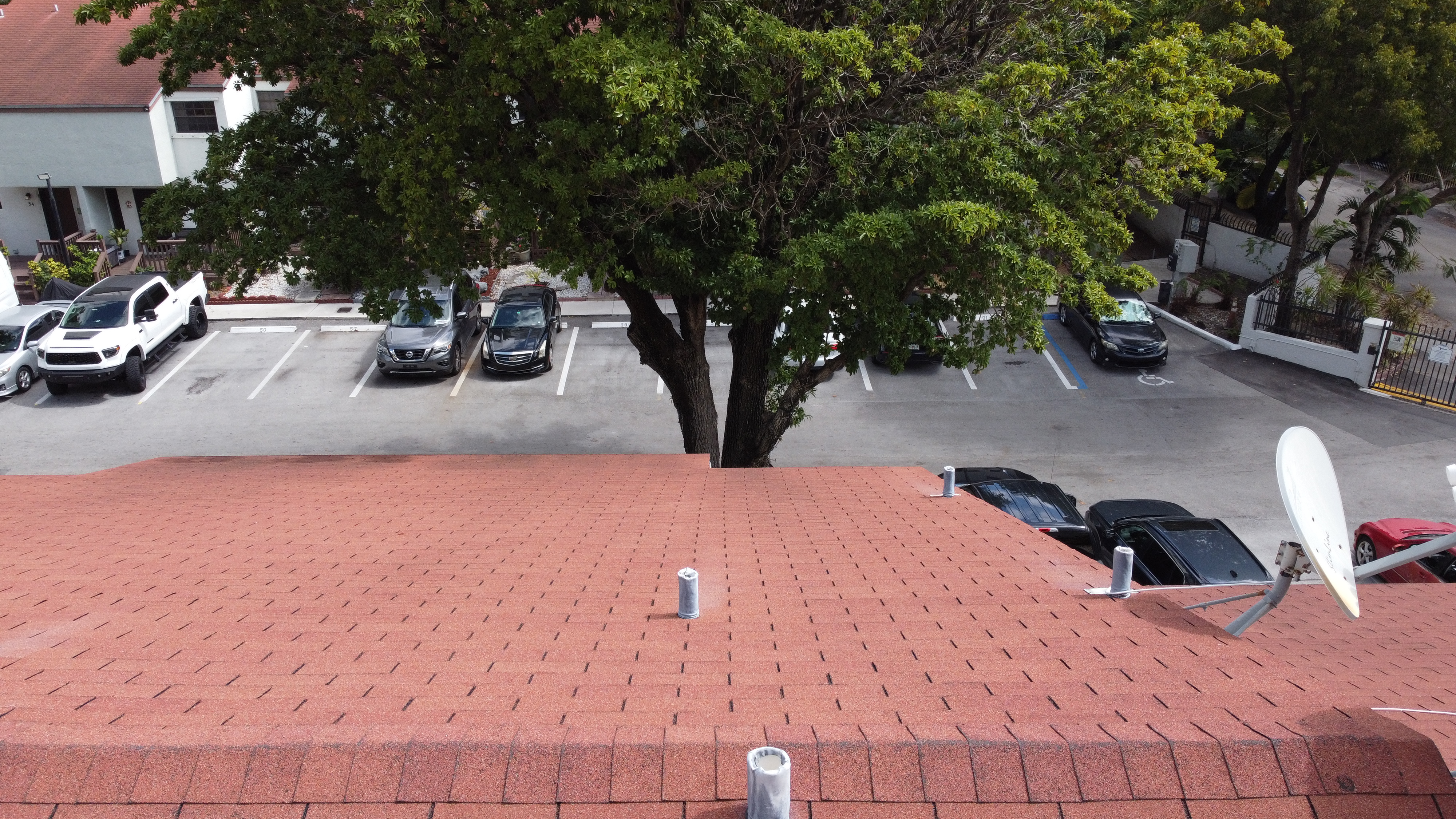
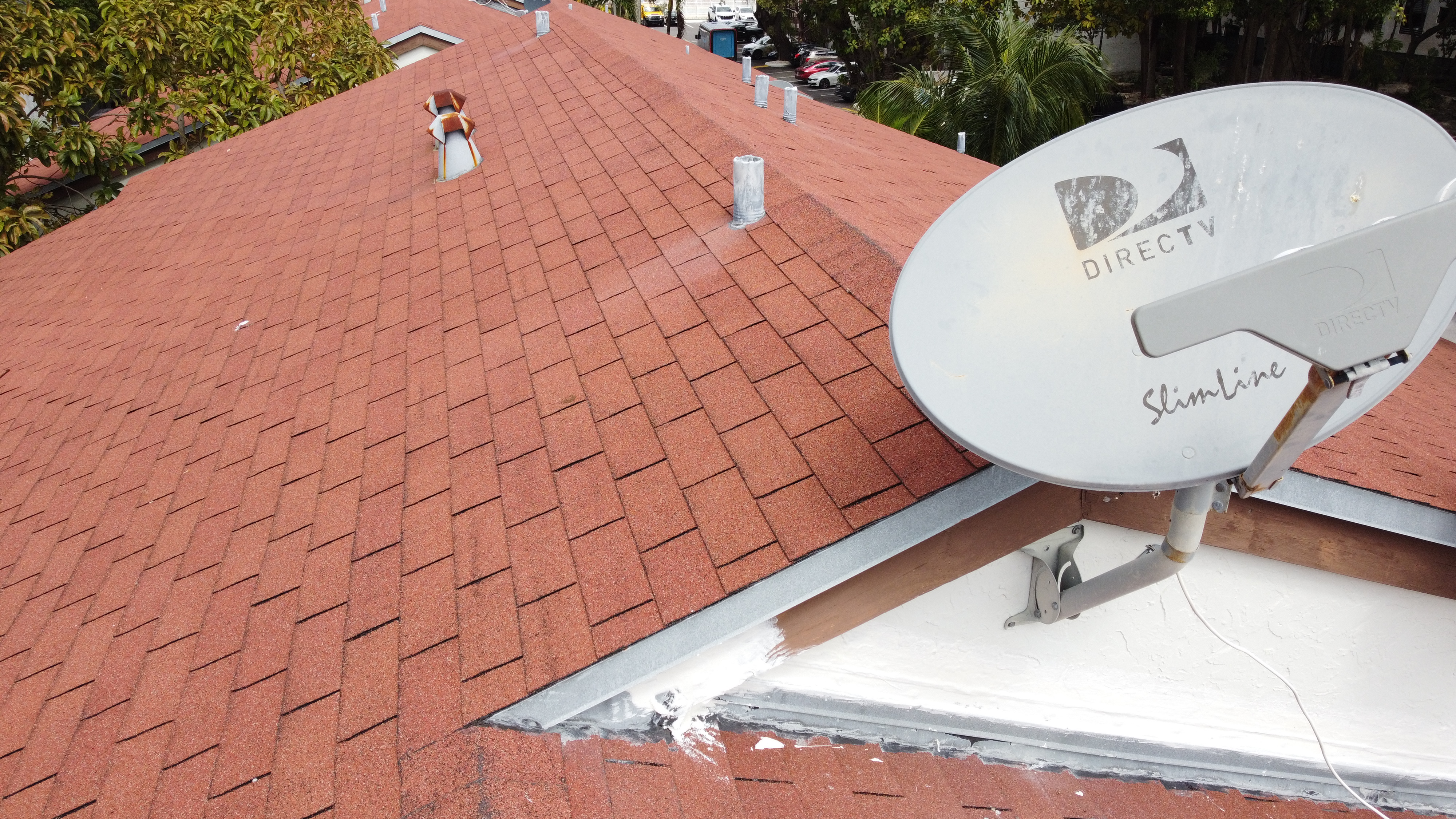
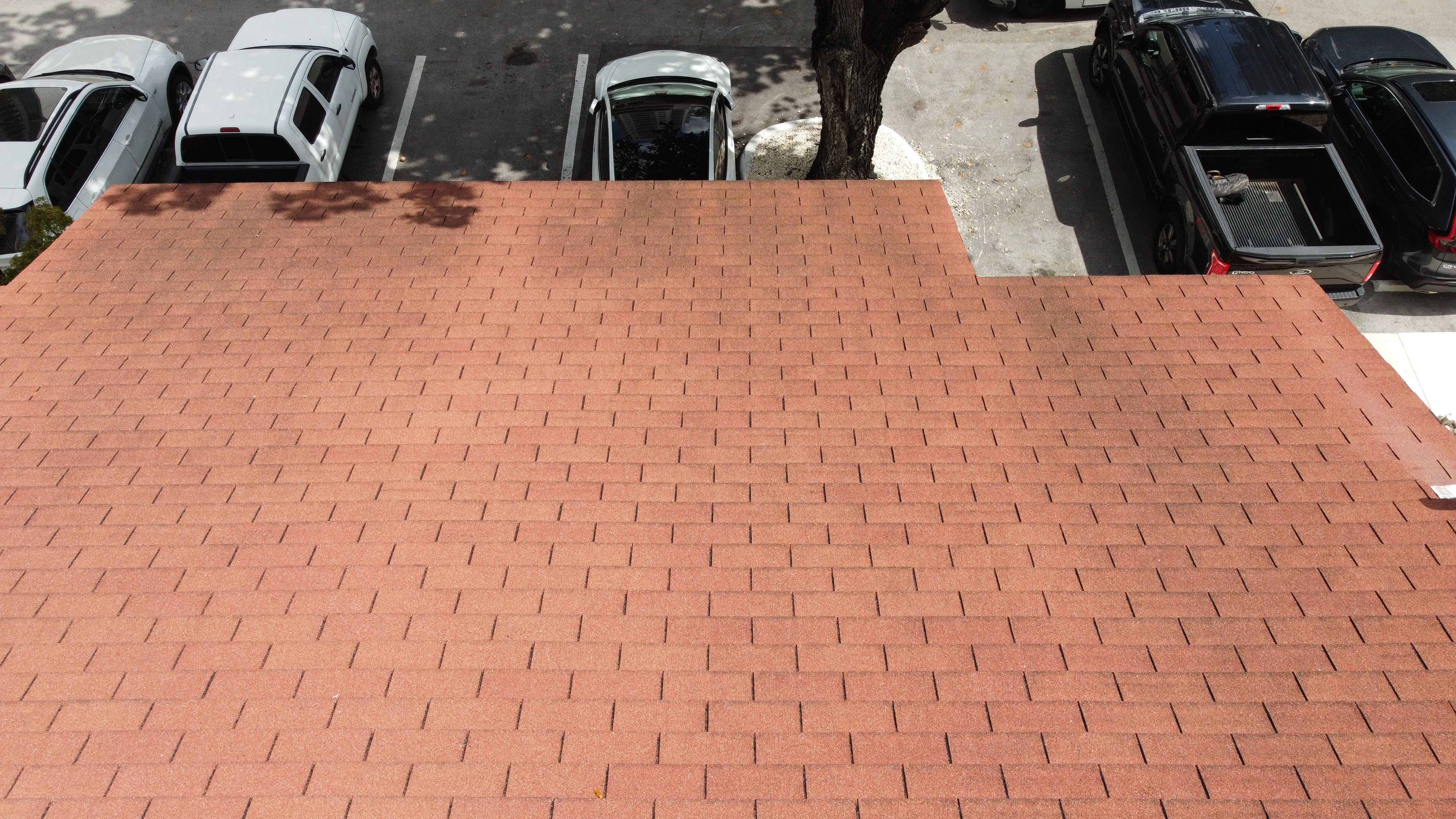
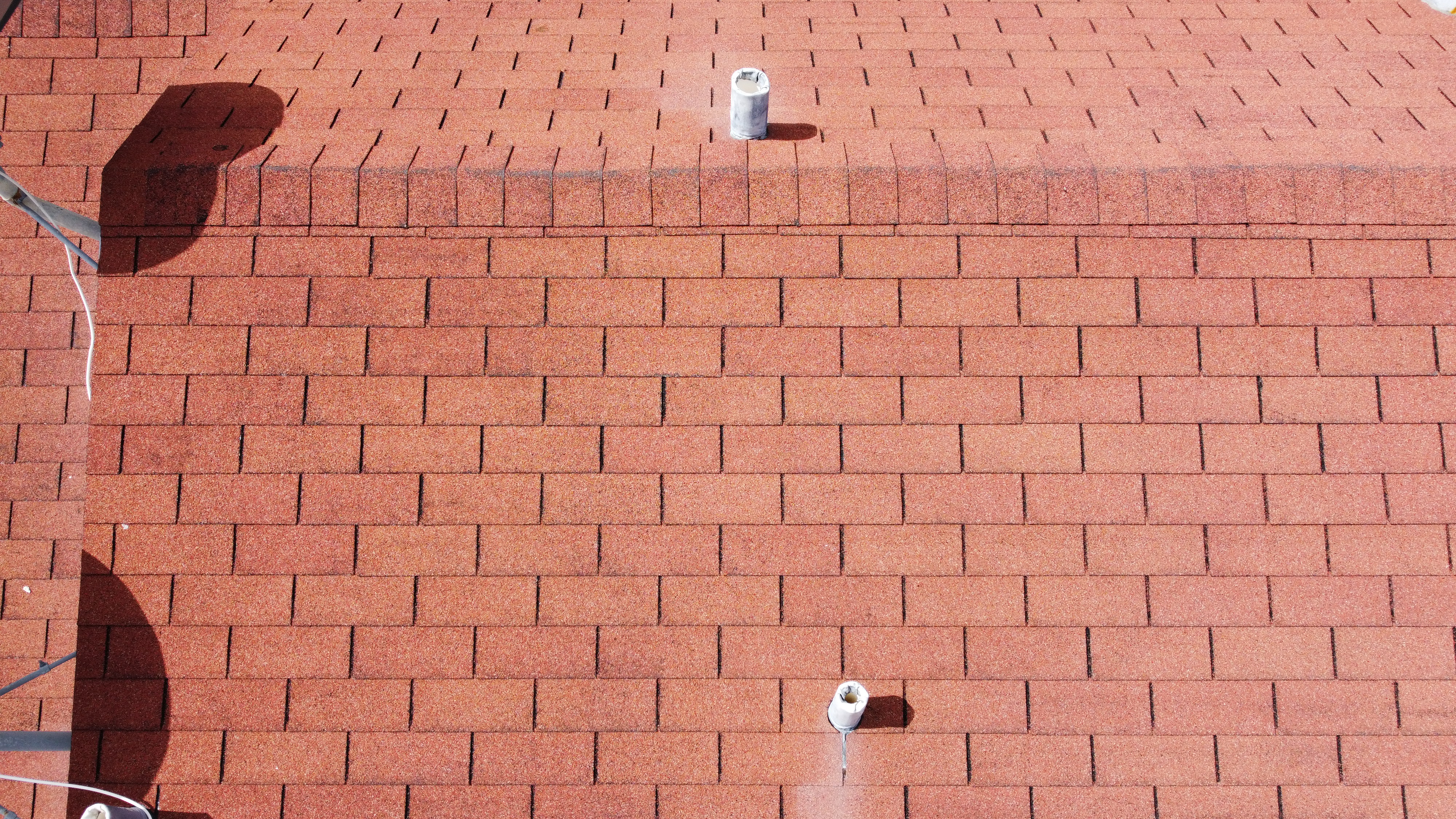
Method of Roof Inspection: Viewed with a Drone
Roof Style: Gable
Approximate Age: Unknown
Responsability: MAINTENANCE BY ASSOCIATION
MAINTENANCE BY ASSOCIATION
The roofs are the responsibility of the association. Any maintenance, repairs, or concerns should be reported to the appropriate management or board for further evaluation and action as needed.
Roof Images
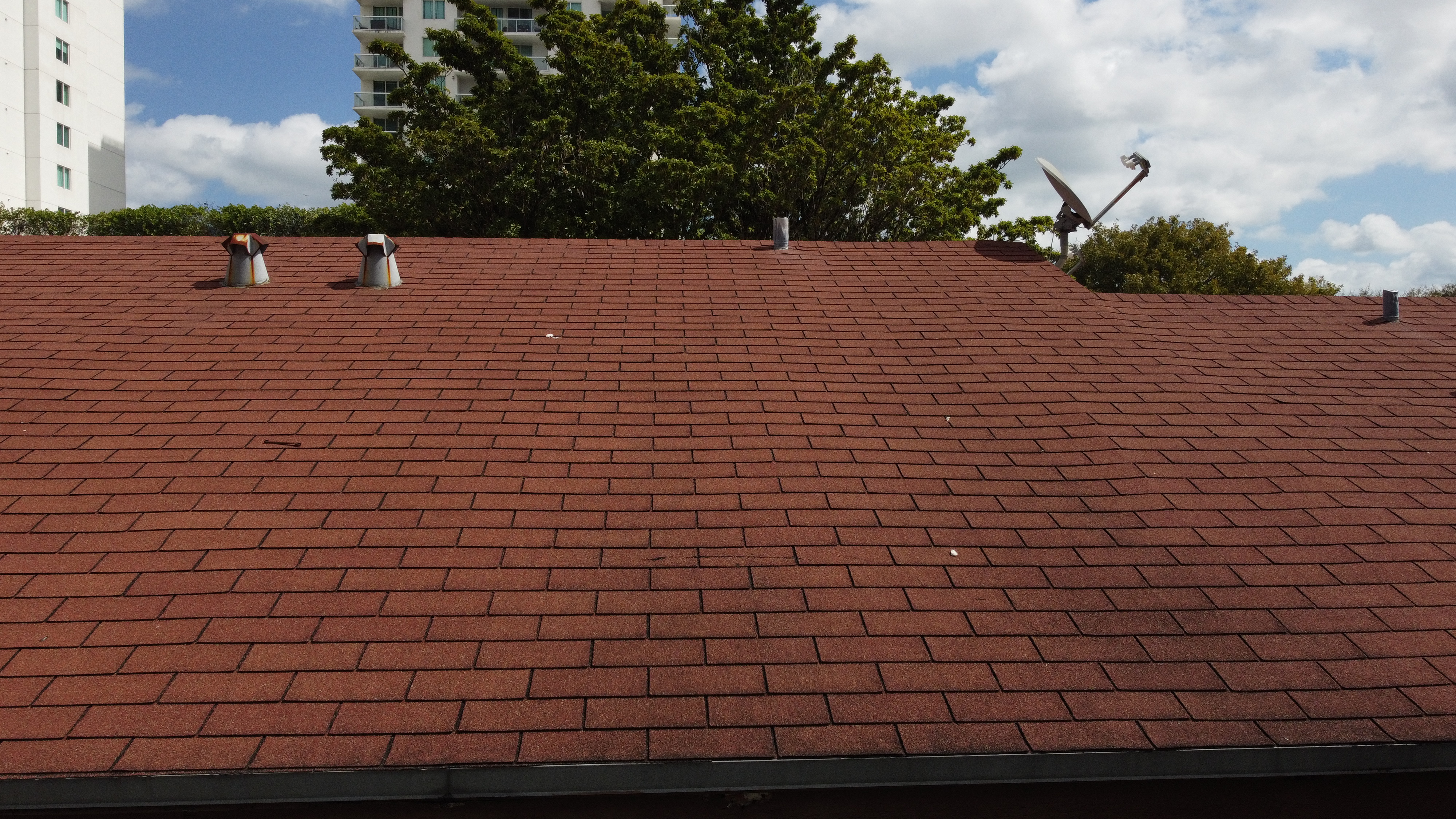 | 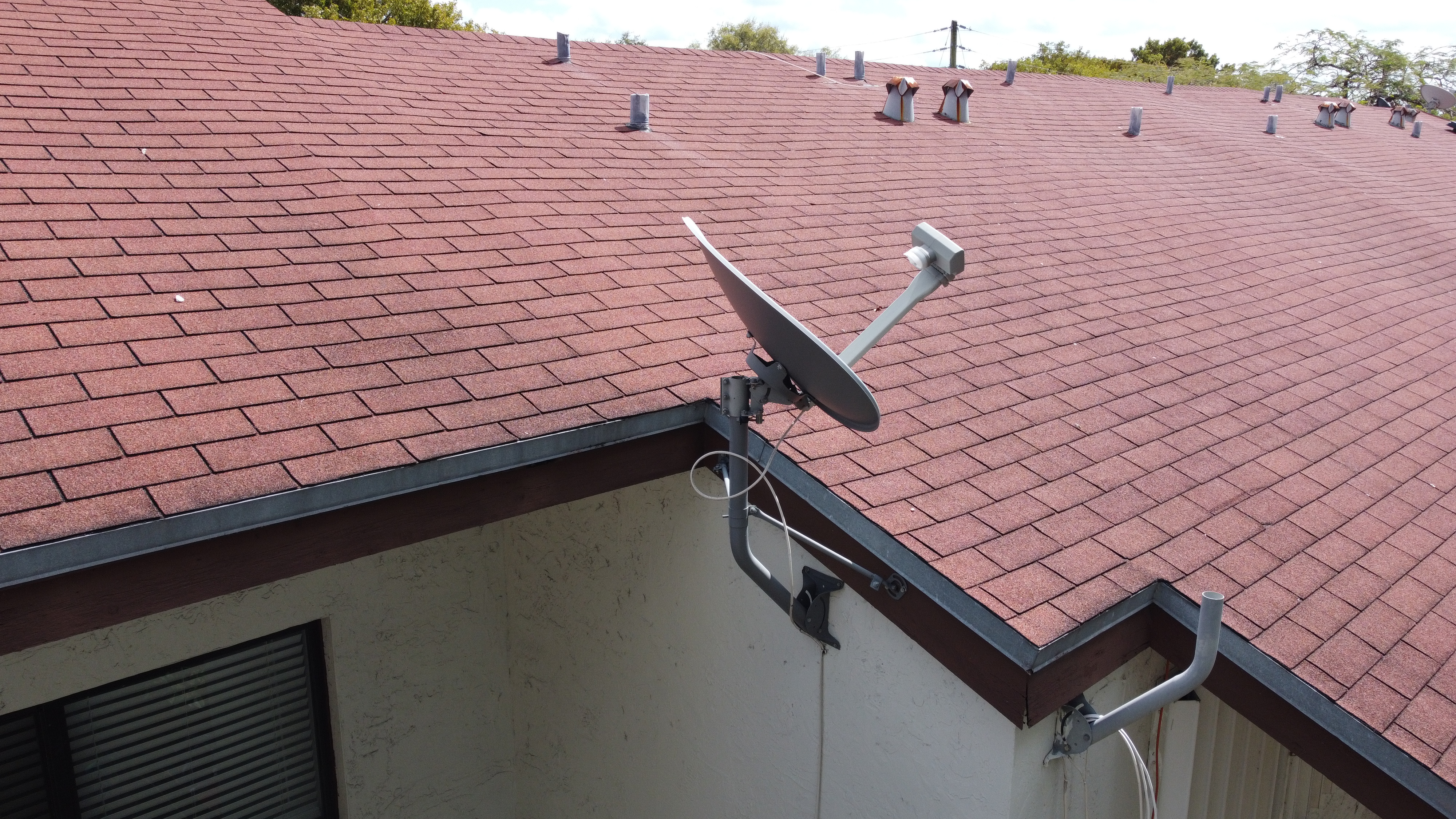 | 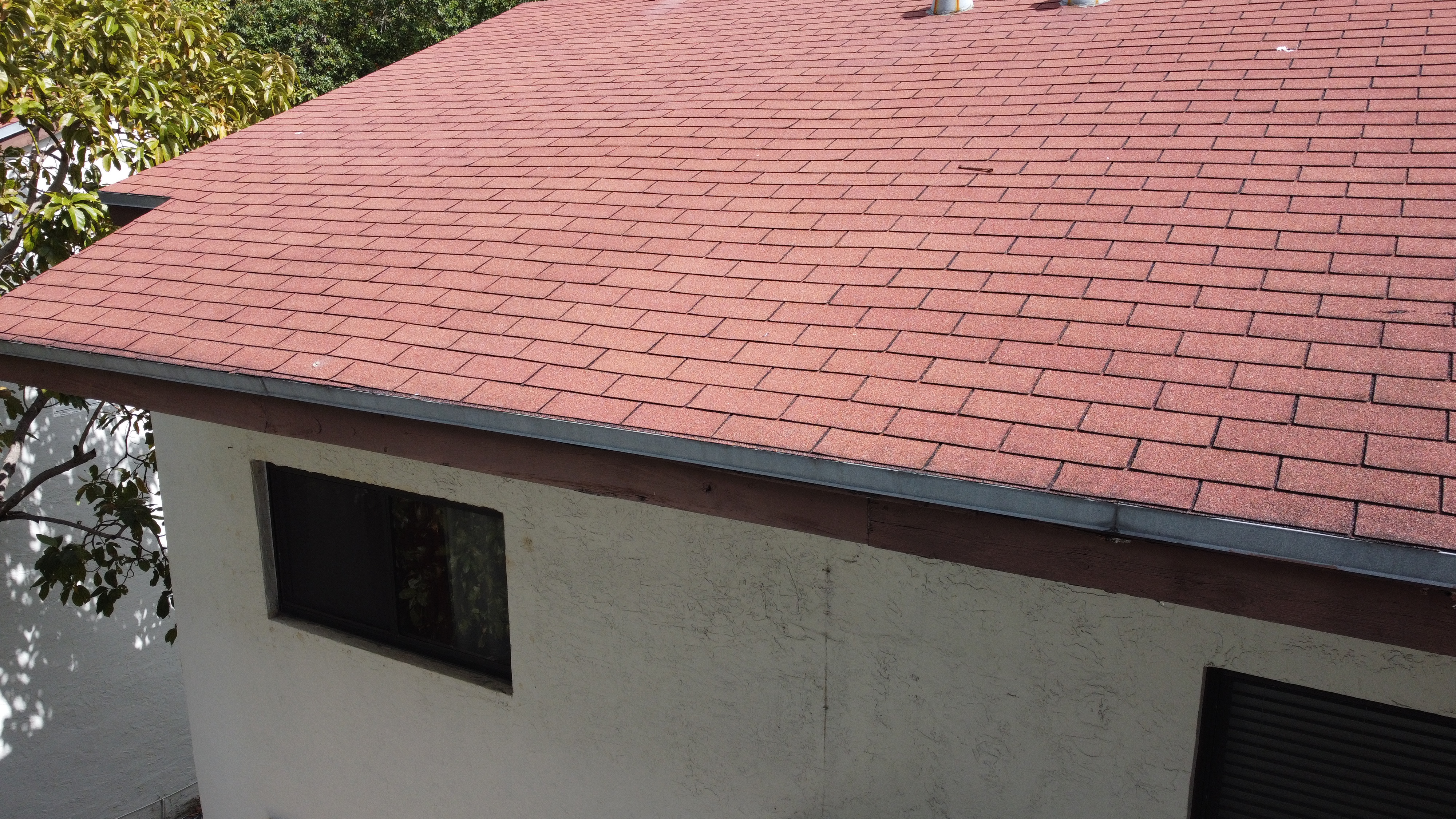 |
 |  |  |
 |
Covering
Material: Shingles
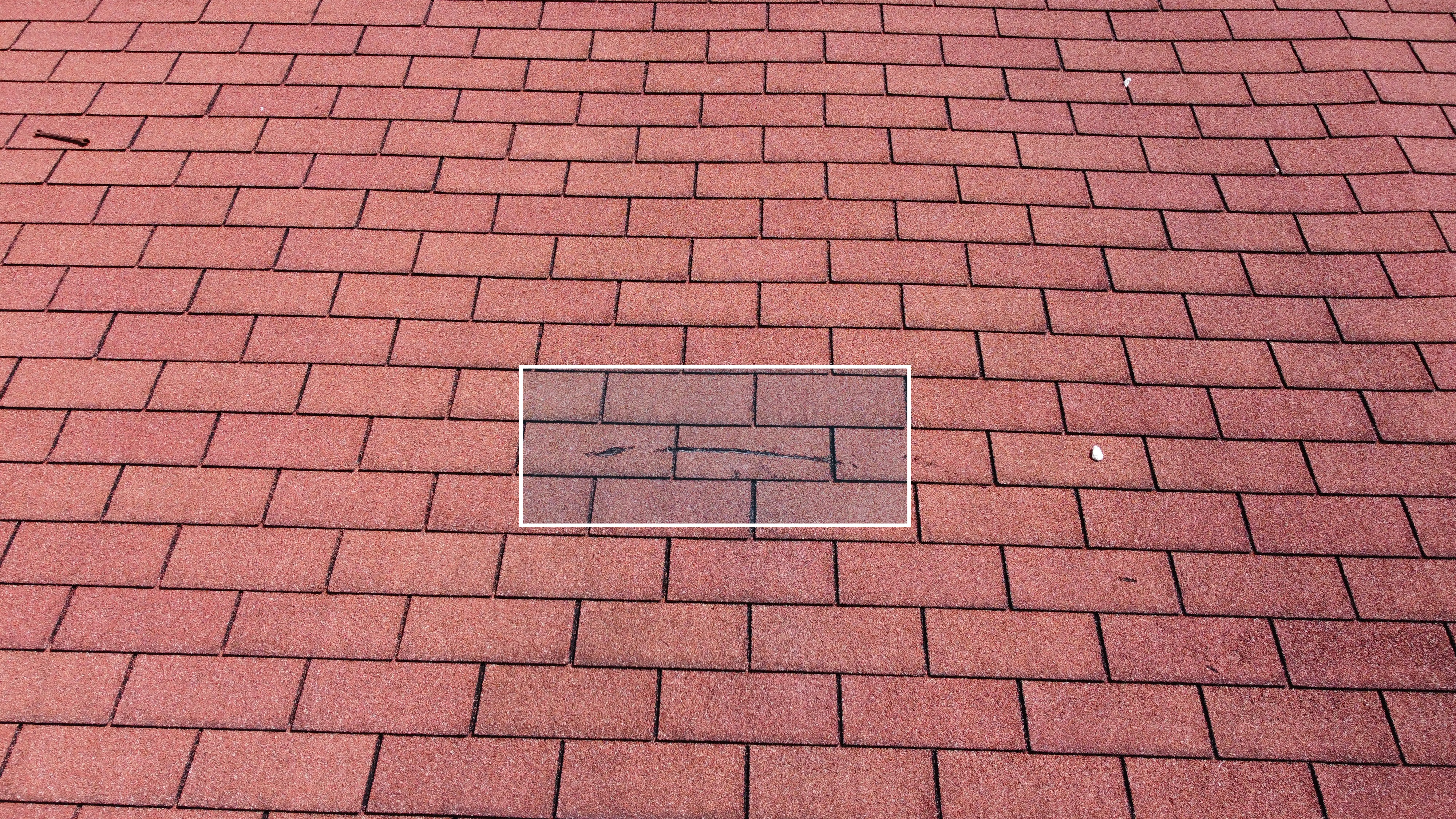
DAMAGE MINOR: WORKMEN
The asphalt shingle roof had minor visible damage which appeared to be made by workmen’s equipment, such as dropped tools or impact from equipment.
Flashings
Material: Aluminum
Gutters & Downspouts
Installed: None Noted
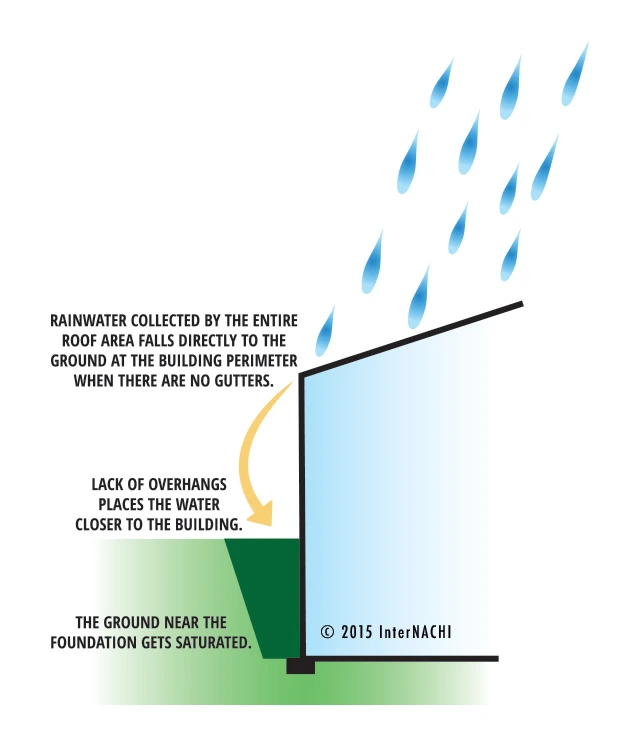
GUTTERS NONE
There are no rain gutters on this home. Recommend installing gutters to improve drainage and ensure runoff is carried away from the home.
Skylights
None Noted
Exterior
Driveway / Walkways
Driveway: Communal Assigned Parking
Walkways: Present
Walkways Materials: Wood Deck
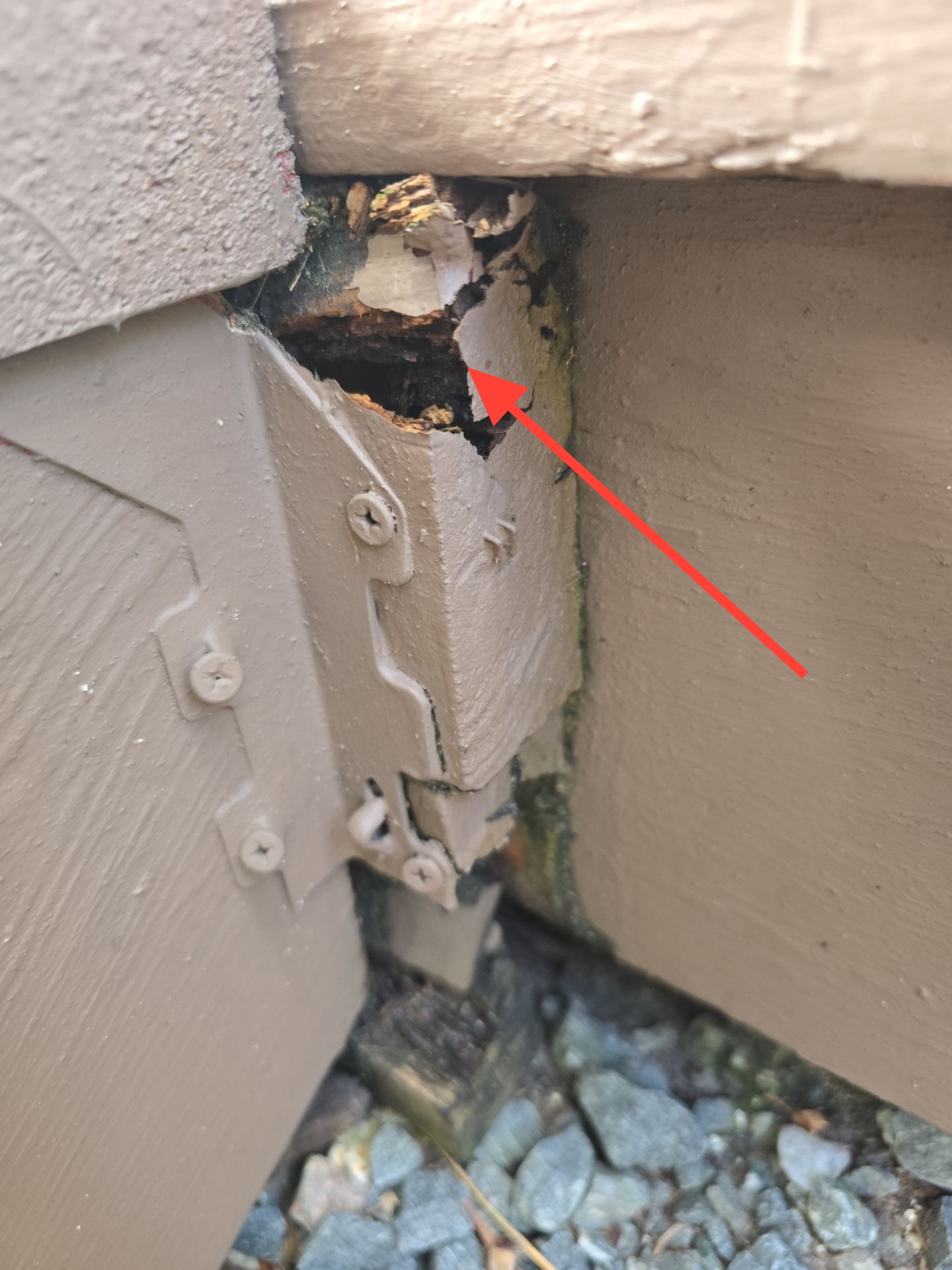
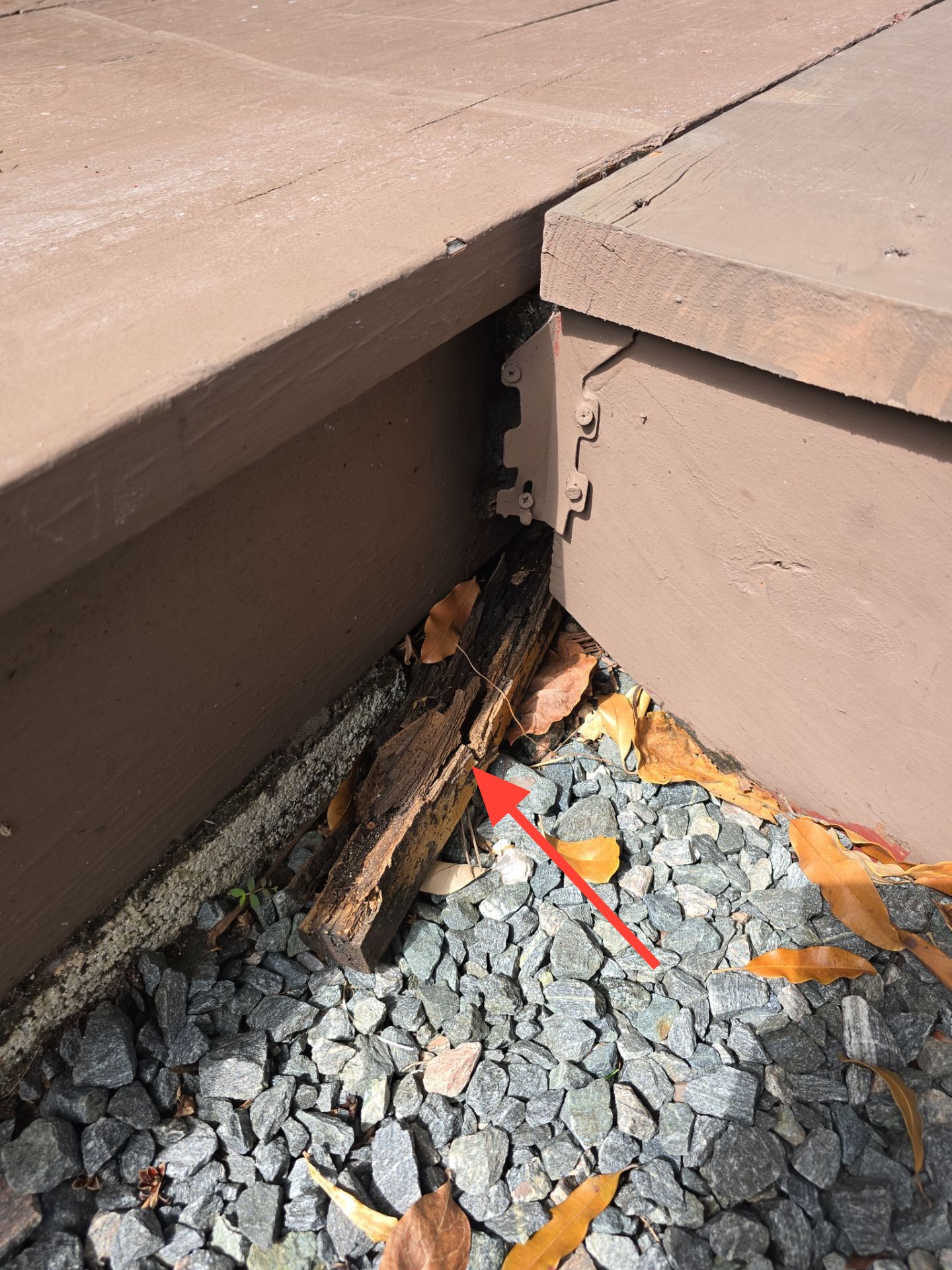
WOOD DECK DETERIORATION
The inspection revealed areas of wood rot deterioration at the walkway deck. The affected sections show signs of moisture damage, which has led to weakening of the material. If left unaddressed, this deterioration may compromise the structural integrity of the deck and create potential safety concerns.
It is recommended that a qualified contractor evaluate the extent of the damage and perform necessary repairs or replacements to restore the walkway deck's stability and longevity. Regular maintenance and sealing may help prevent future deterioration.
 |  |
Siding, Flashing and Trim
Siding Material: Stucco
Eaves, Soffits and Fascia
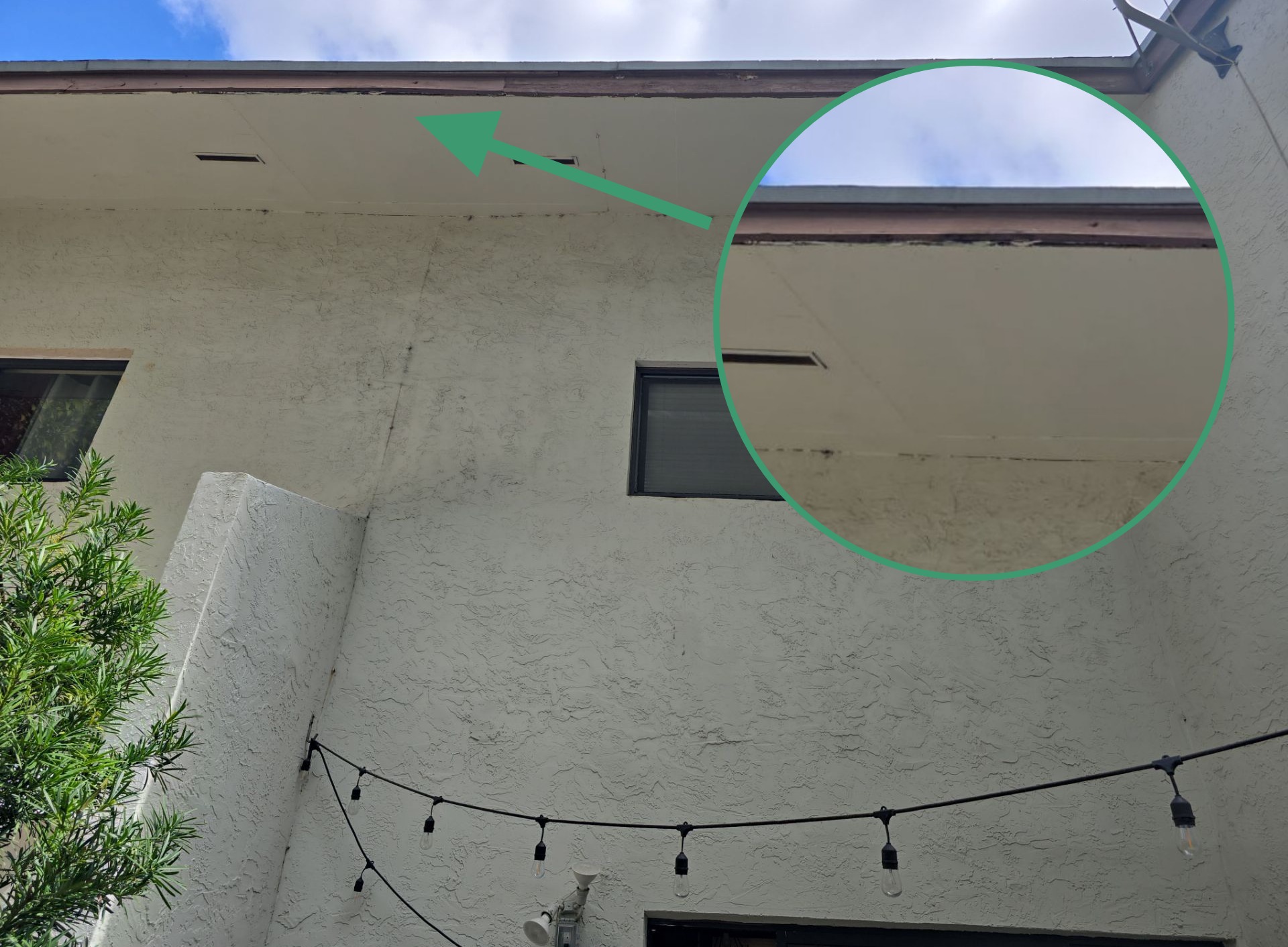
SOFFITS SAGGING: FASCIA CUPPING
Cupping of wood fascia has resulted in sagging of the soffit in some areas around the home. Repair will require fascia replacement. All work should be performed by a qualified contractor.
Exterior Doors
Exterior Entry Door Styles: Sliding Glass
Door Bell: Smart
Exterior Windows
Window Frames Material: Metal
Hurricane Protection Type: None Noted
Vegetation & Drainage
Site Description: Minor Slope
Downspout Discharge: None Noted
Fences
**: Noted
Material: Concrete, Wood
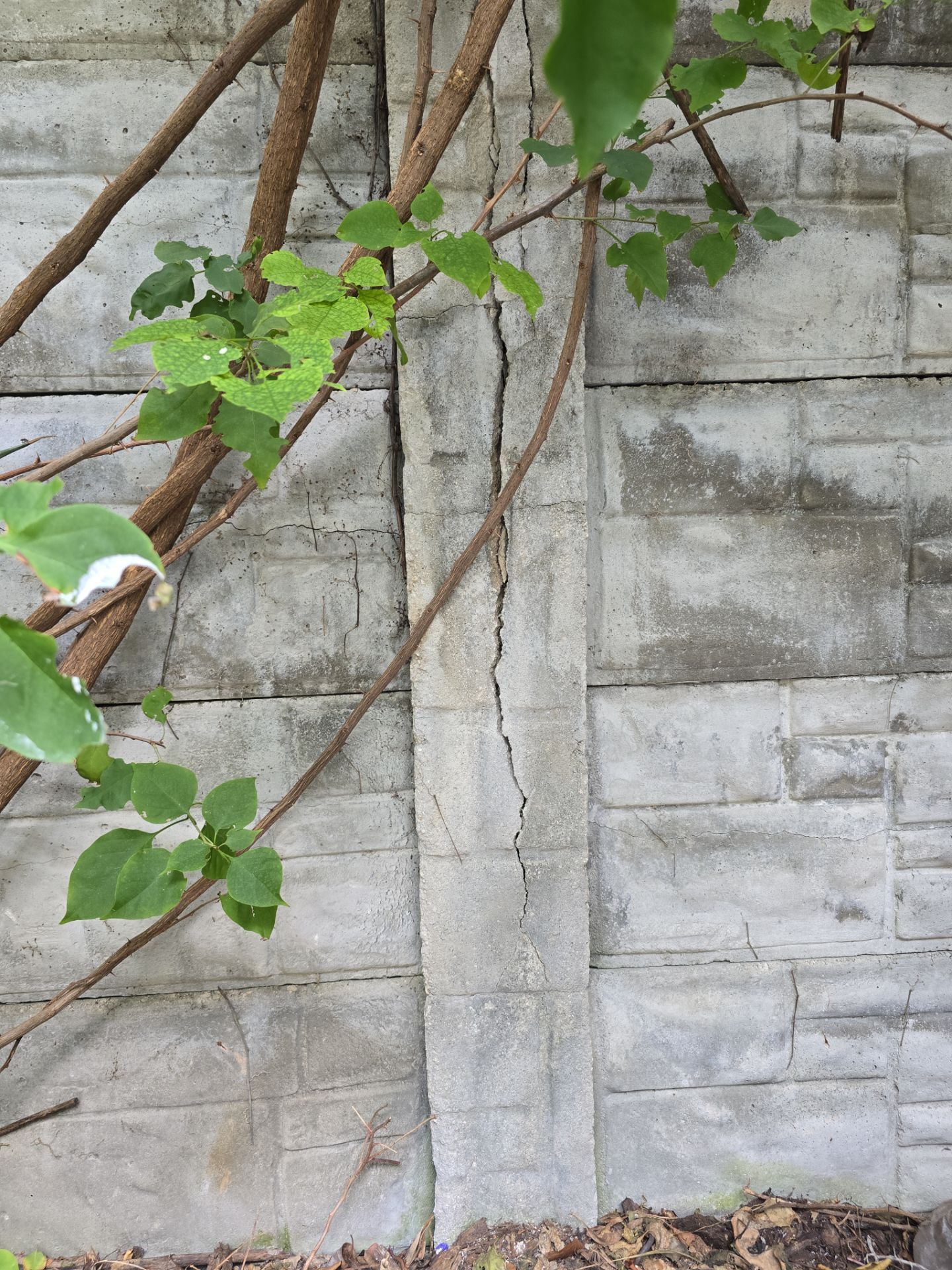
FENCING CONDITION: CONCRETE CRACKING AND DETERIORATION
The inspection revealed cracking and deterioration in the concrete fence. The affected areas show signs of wear, which may be due to age, weather exposure, or structural movement. If left unaddressed, these conditions could lead to further degradation and potential stability concerns.
It is recommended that a qualified contractor evaluate the extent of the damage and perform necessary repairs to restore the fence’s structural integrity and prevent further deterioration.
FENCING RESPONSABILITY ASSOCIATION
The fence may not be the responsibility of the homeowner, as maintenance and repairs could fall under the association’s jurisdiction. It is advisable for the homeowner to confirm with the association regarding responsibility for the fence to ensure proper communication and management of any necessary repairs or maintenance.
Balconies
**: None Noted
Propane Storage
**: None Noted
Gas Meter
**: None Noted
Structure
Foundation
Material: Slab on Grade
Attic
Access Location: Location
Insulation Type: Blown
Ventilation Type: Soffit Vents
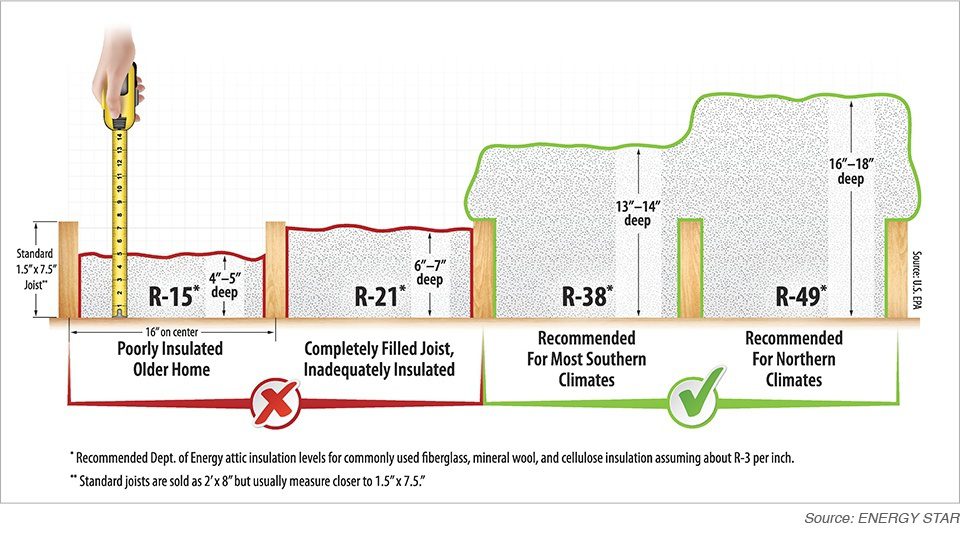
R-Value: R-15
ACCESS LOCATION
The Attic Access Location is: Second Floor Hallway
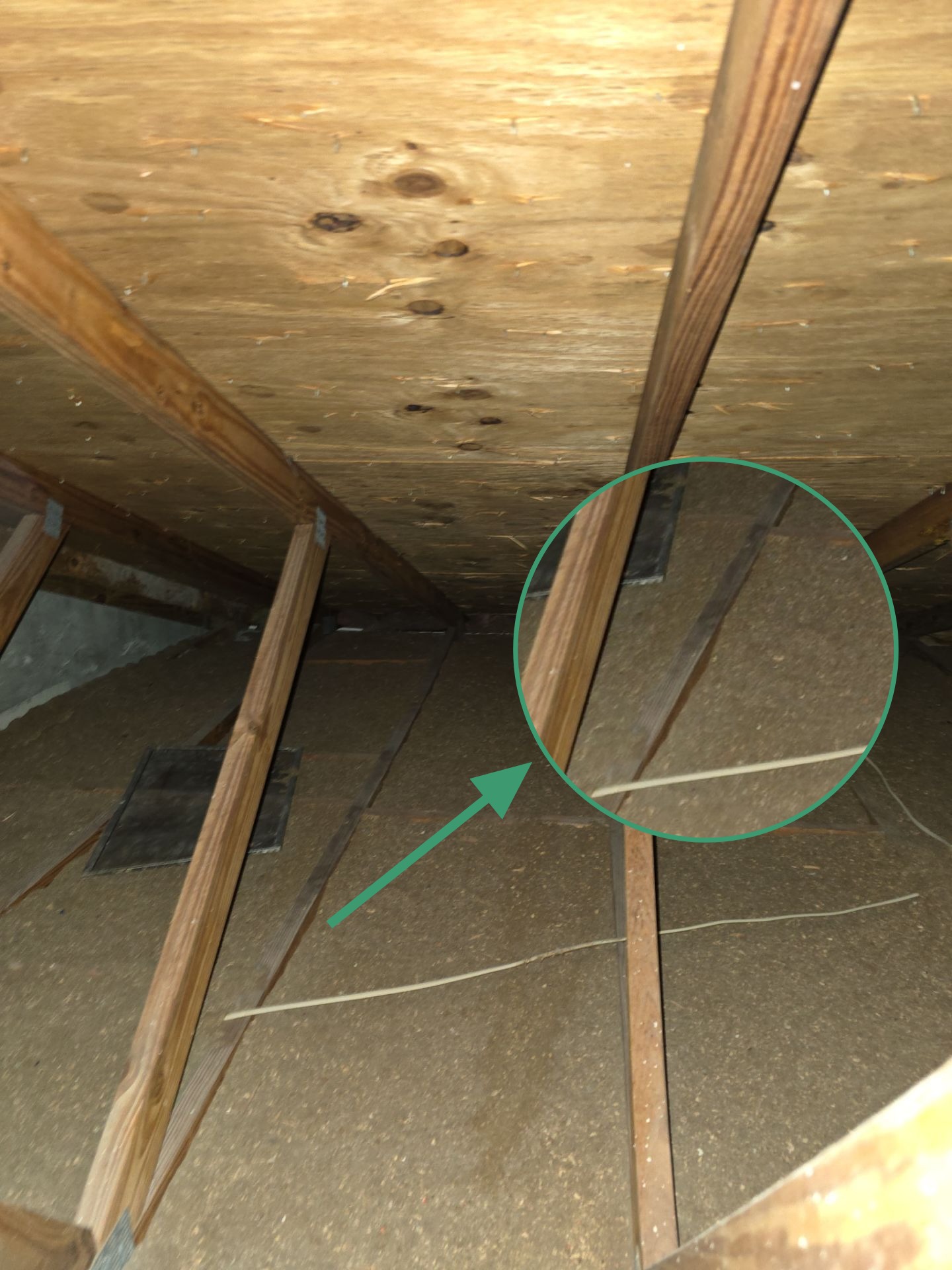
INSULATION VALUE
The inspection revealed that the attic has approximately 5 inches of insulation, which results in a lower-than-ideal R-value for energy efficiency. Insufficient insulation can lead to heat loss in the winter and heat gain in the summer, potentially increasing energy costs and reducing overall comfort.
It is recommended that additional insulation be installed to improve the R-value and enhance energy efficiency. A qualified insulation contractor can assess the attic and recommend the appropriate type and amount of insulation based on local climate and energy standards.
 |
Crawl Space
**: None Noted
Basement
**: None Noted
Electrical
Service Entrance Conductors
Service Entrance: Below Ground
Meter Base Amperage: 200
Service Conductors Type: Copper
Electric Service Equipment
Service Entrance (SE) conductor Size: Copper, 2/0, 200 amps
Main Panel Amperage: 200 amps
Electric Service Amperage: 200 amps
Main Electric Panel Location: Exterior
Panel Manufacturer: GE
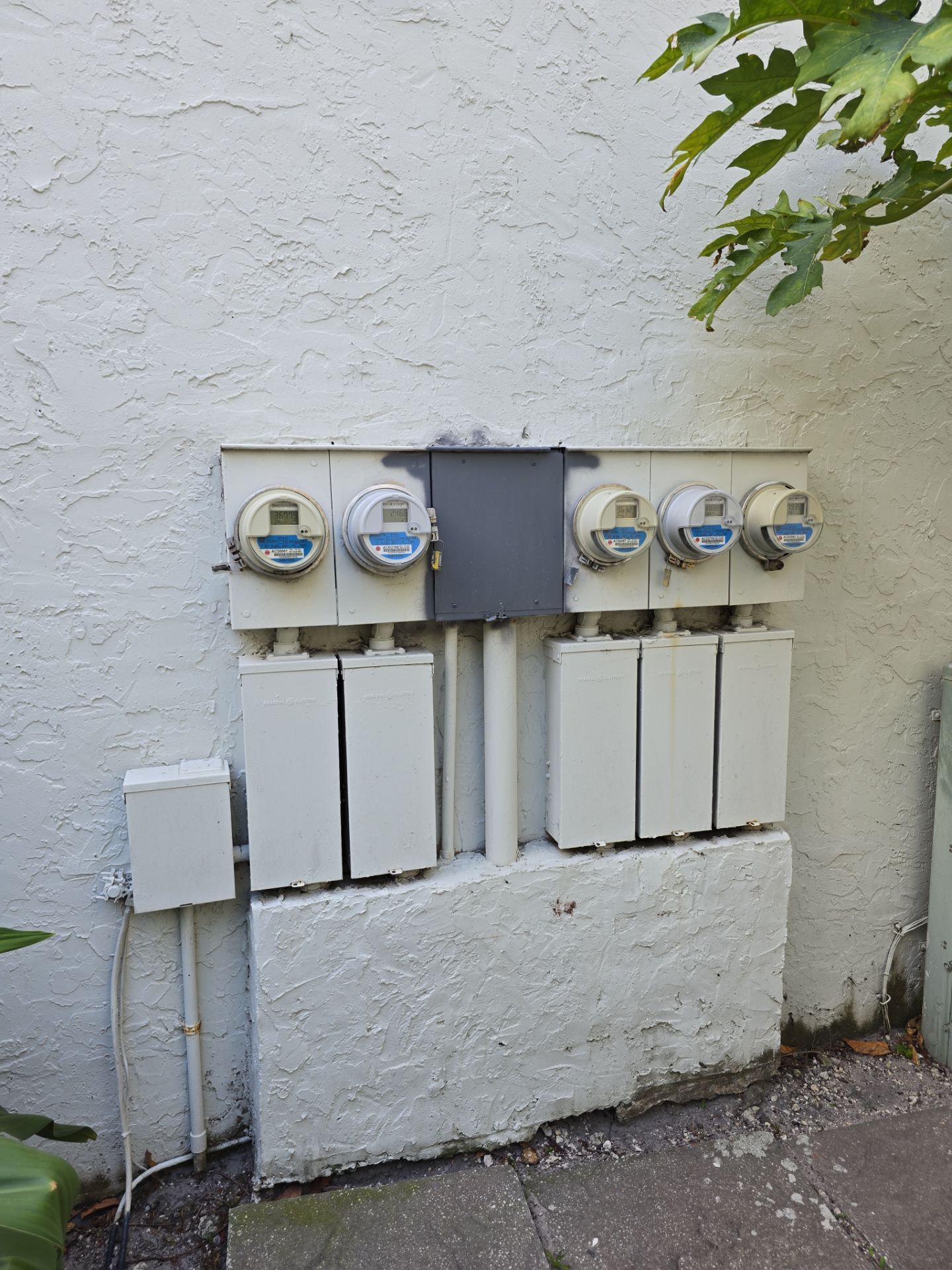
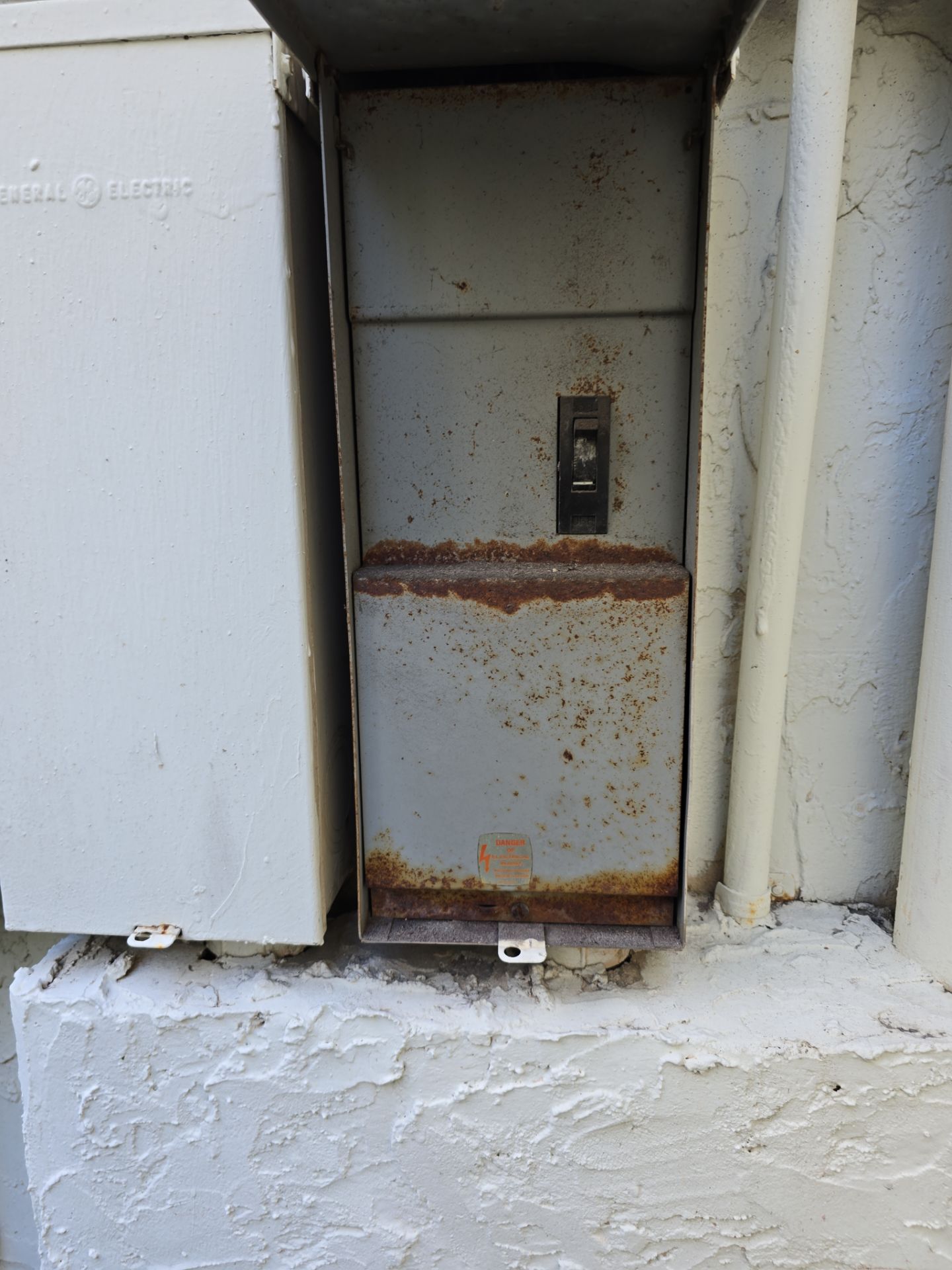
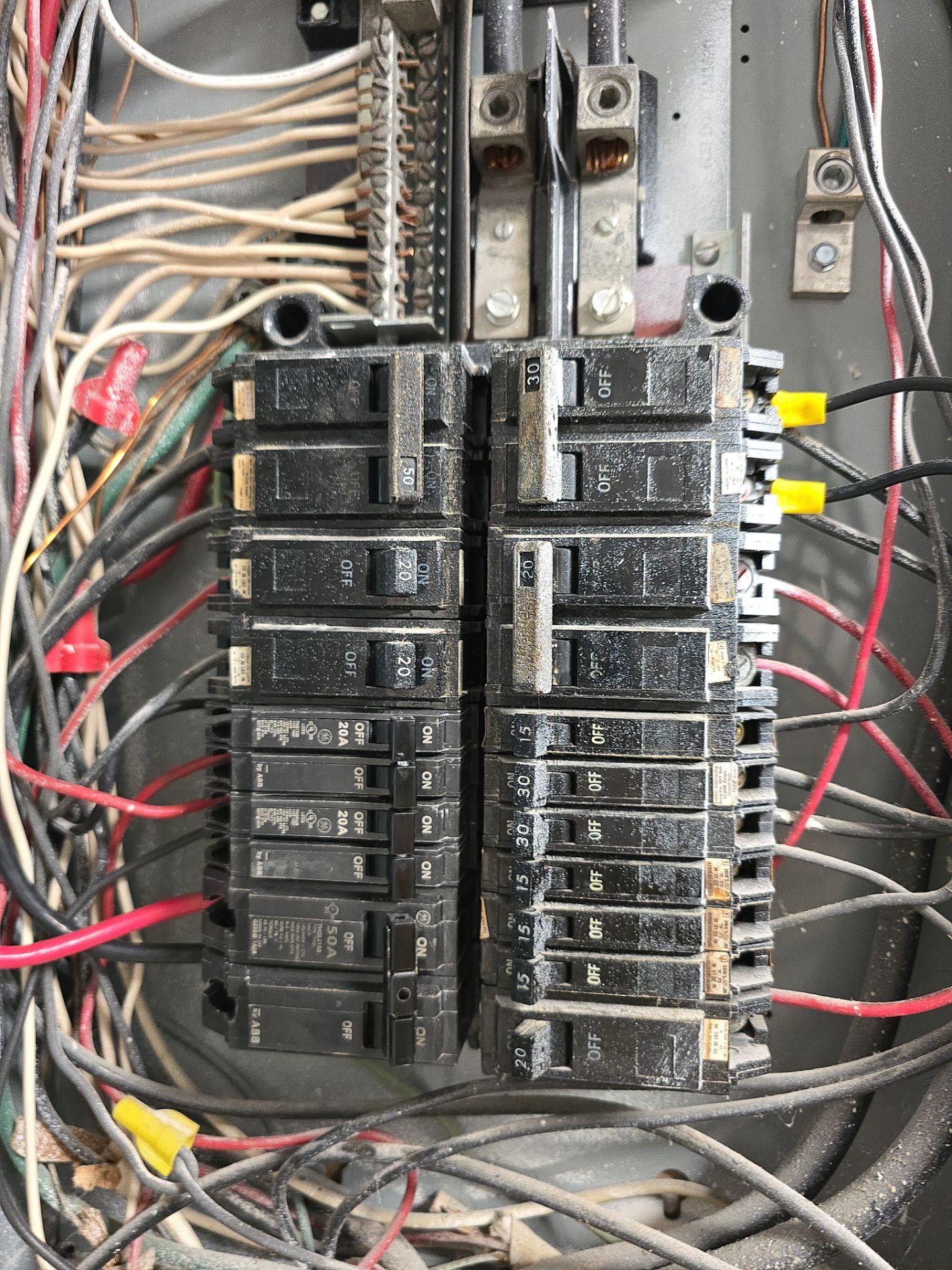
CABINET INTERIOR CONDITION CORROSION: MODERATE
Interior components of the electrical service panel exhibited moderate amounts of corrosion indicating moisture intrusion. Corrosion can degrade electrical contacts with the potential to cause problems related to component overheating. This condition is a potential fire hazard. The Inspector recommends that an evaluation be performed by a qualified electrical contractor to ensure that electrical connections have not deteriorated and that no ongoing moisture intrusion problem exists.
 |  |
Sub Panel
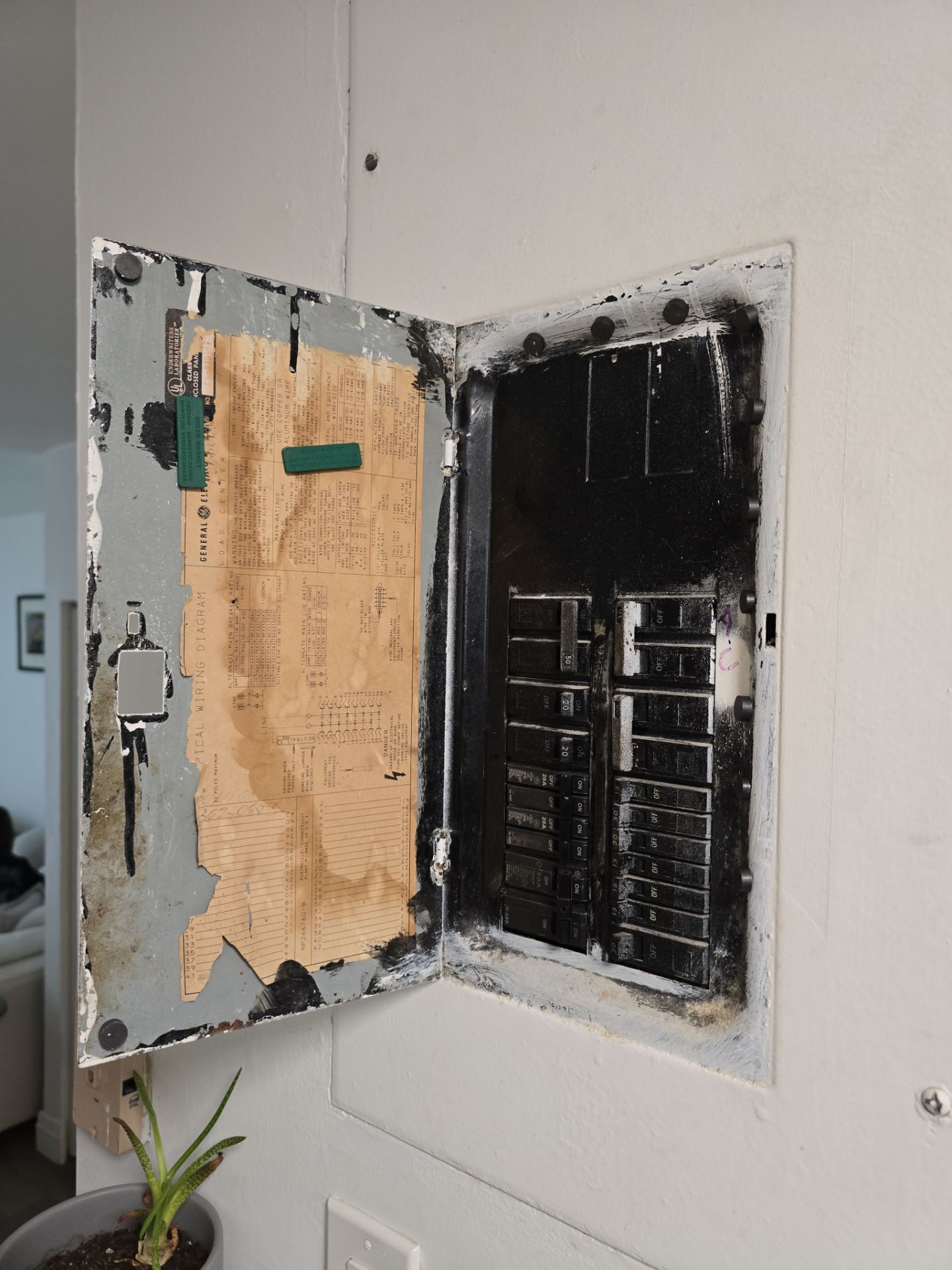
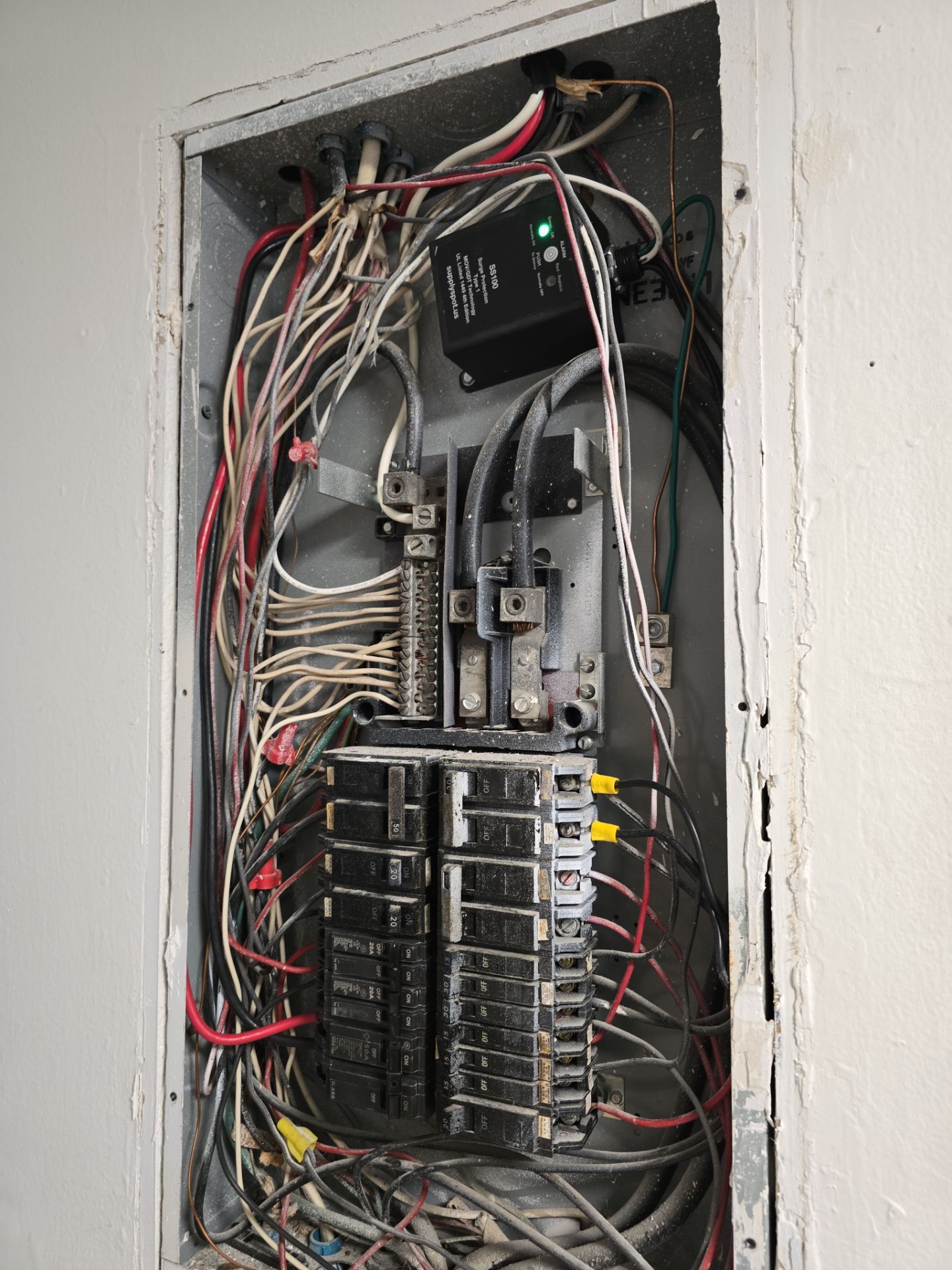
Sub Panel: Present
Sub Panel Voltage: 120 volt
Service Conductor Size: Copper, 2/0, 200 amps
Sub Panel Amperage: 200 amps
Sub Panel Location: Kitchen
Sub Panel Manufacturer: GE
Photos
 |  |  |
Electrical Grounding System
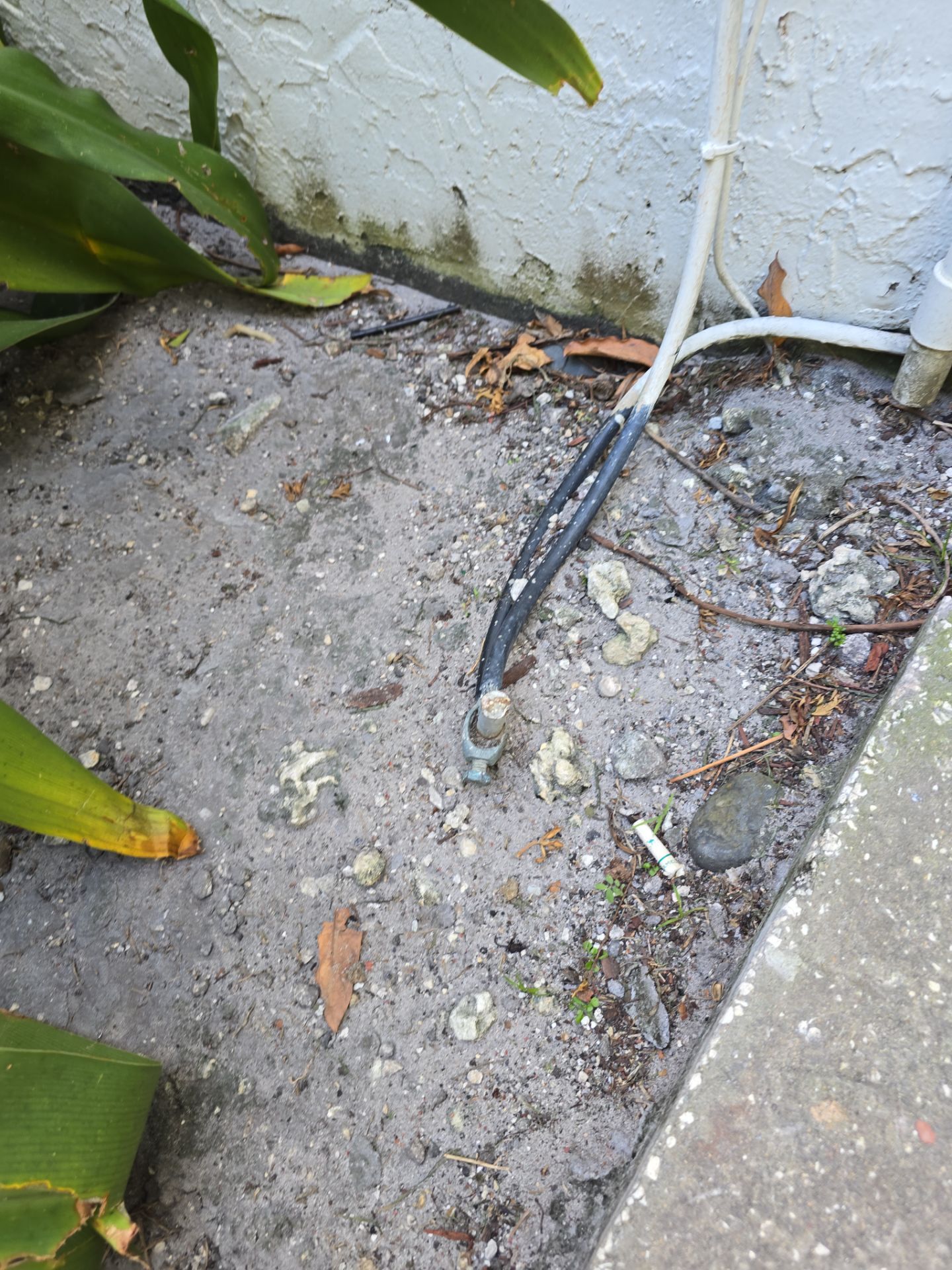
**: Grounding Rod Noted
Photos
Branch Wiring
Wire Material: Copper
Wiring Method: Non Metallic Sheathed Wiring
Receptacles and Fixtures
Inspection Method: Representative Method
Smoke and Carbon Monoxide Alarms
Smoke Alarms: Noted
CO Alarms: Non Noted
Solar
**: None Noted
HVAC
Heating and Cooling Systems
Energy Source: Electricity
Heating Method: Heating Strips
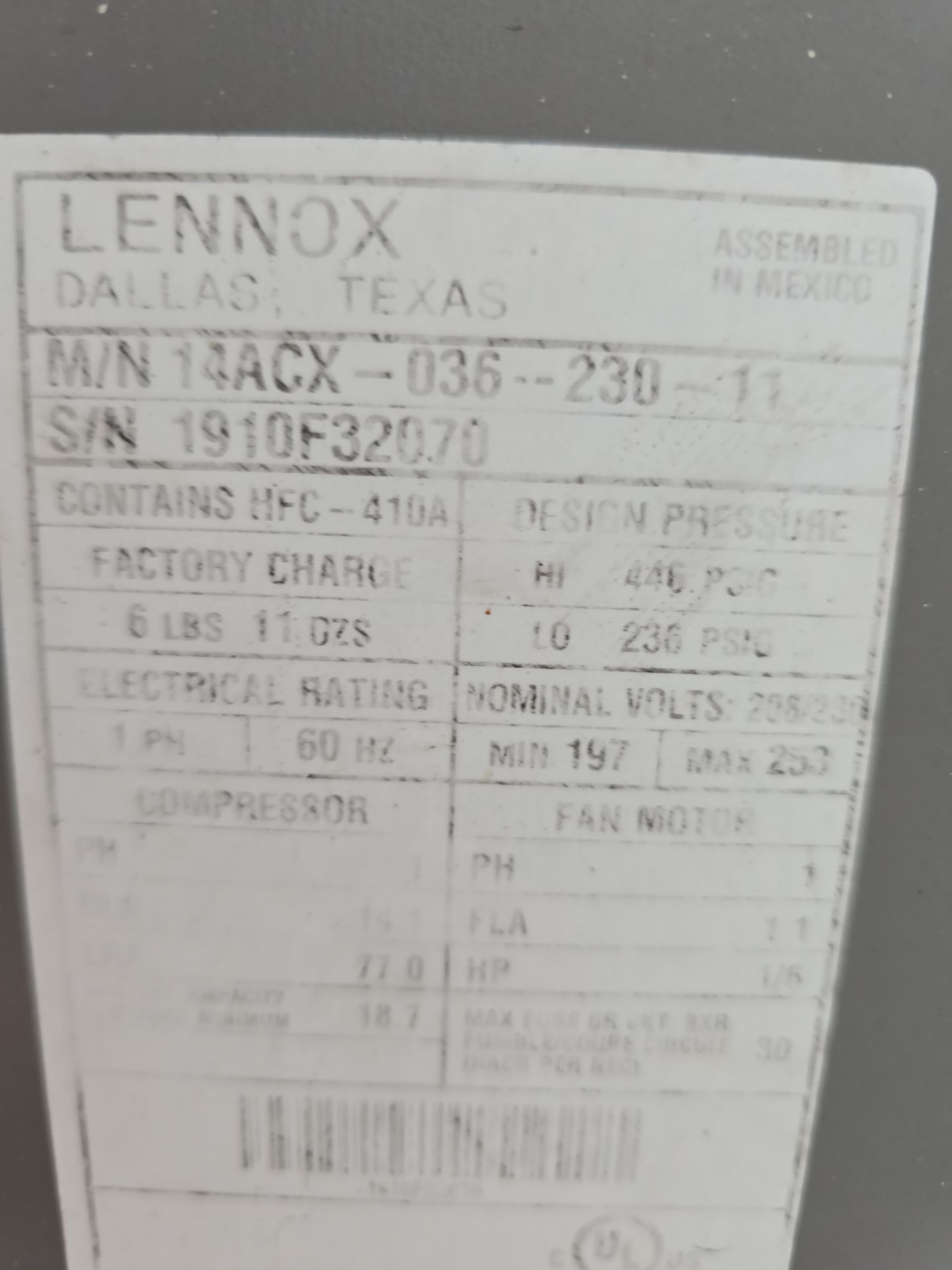
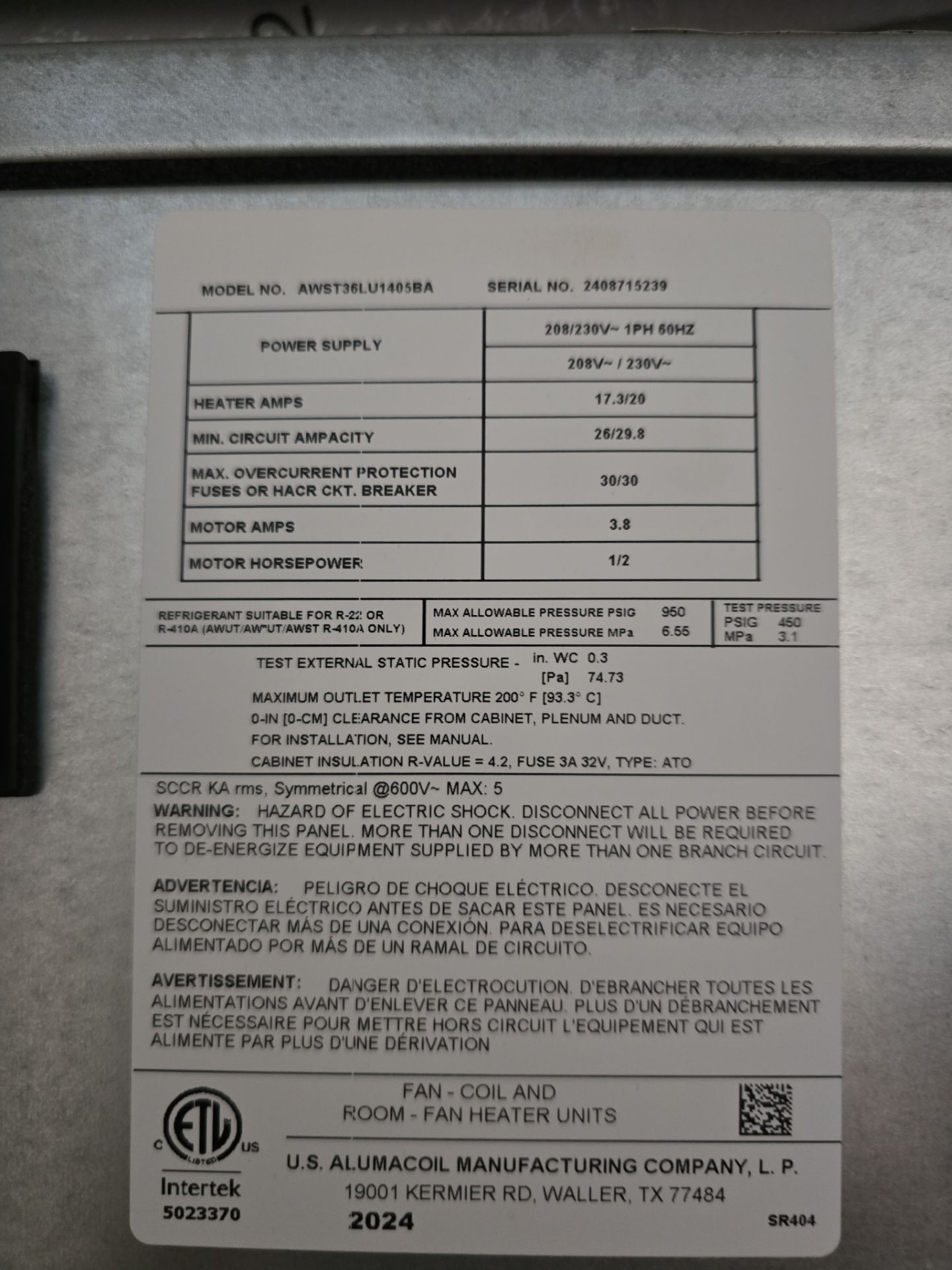
Manufacturer: Goodman, Lennox
Data Plate: Photos
Age: Inside Unit, Outside Unit
DESCRIPTION AGE
The age of the air handler unit is Less than a year old
DESCRIPTION AGE
The age of the condensing unit is 14 years old
Photos
Vents and Flues
None Noted
Air Filters
Filtration Systems: Disposable
Size: 18x20x1
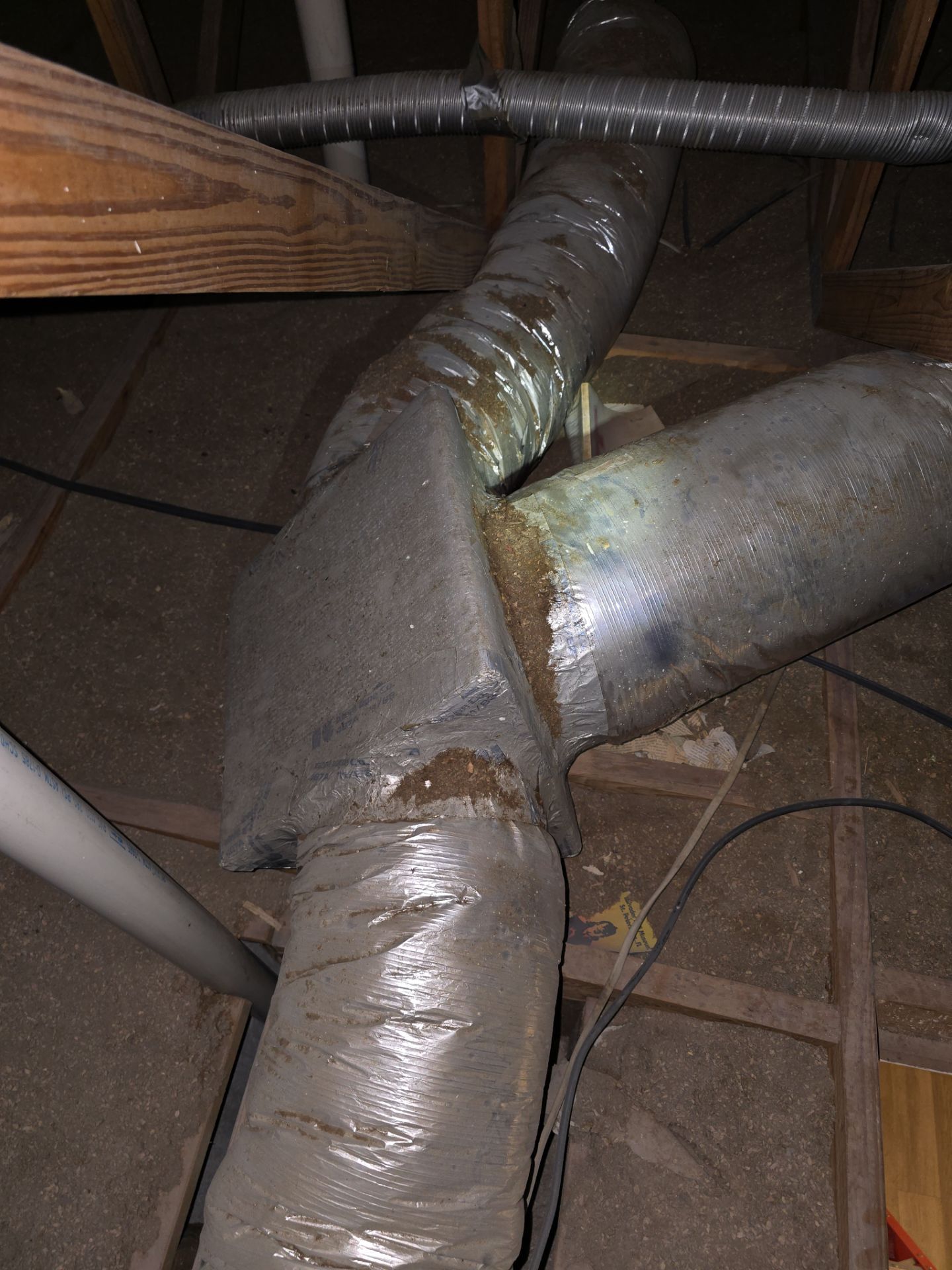
Heating and Cooling Distribution Systems
Distribution Method: Forced Air / Ducts
Photos
Plumbing
Water Meter
Location: Sidewalk
Water Service Supply
Pipe Material: Copper
Water Supply: Public water
Main Water Shut-off Location: Front, Outside
Distribution Pipe
Pipe Insulation: Not visible
Supply Pipe Materials: Copper
Functional Flow: Excellent
Waste Pipe and Discharge
Discharge Type: Public Sewer
Waste and Vent Pipe Materials: PVC
Location of Sewer Cleanout: Not Found
Water Heater
System Type: Tank
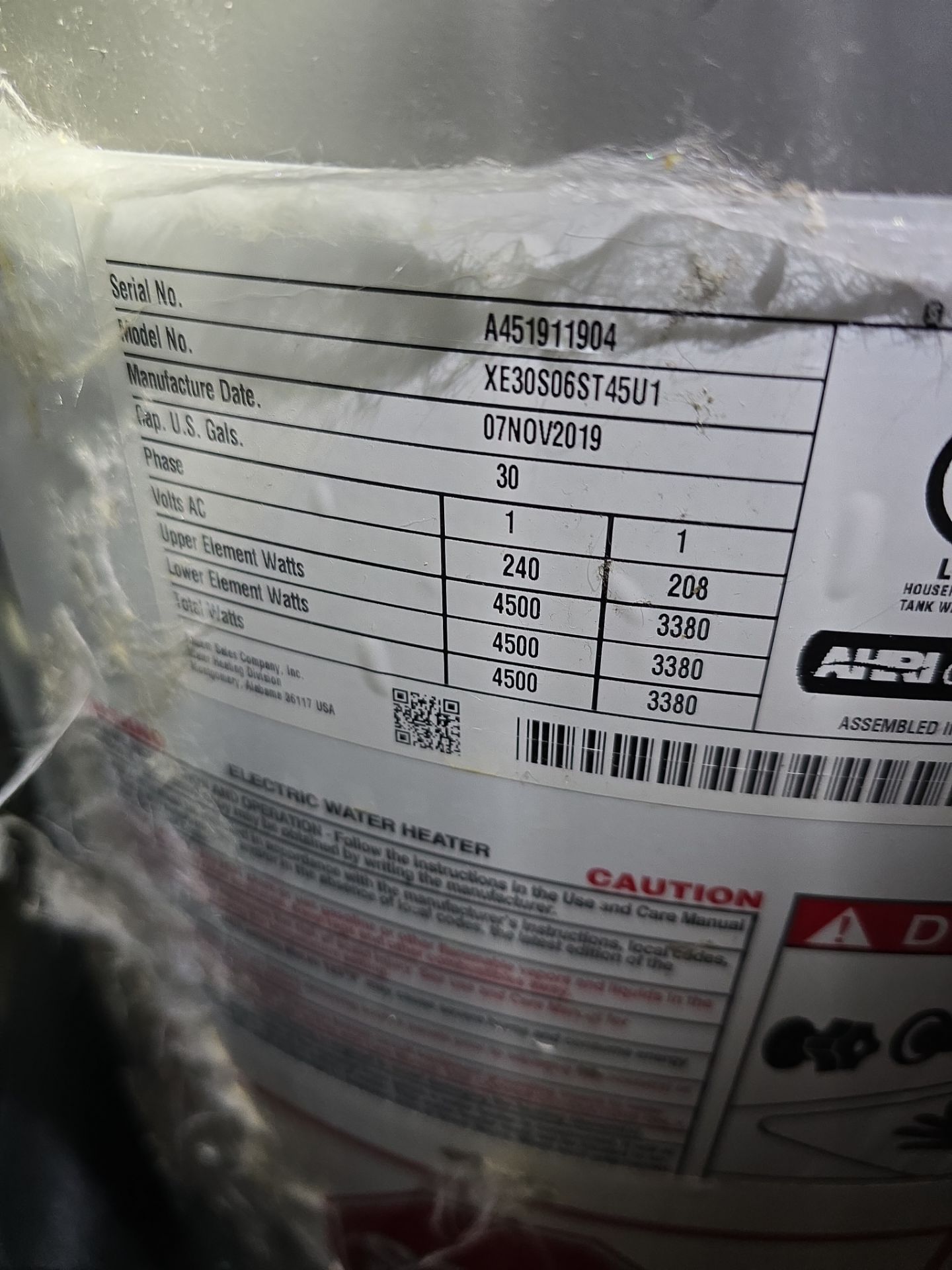
Manufacturer: Rheem
Data Plate: Photo
Size: 30 gal
Age: DESCRIPTION AGE
Energy Source: Electricity
Straps : None Found
Pad: None Needed
Drain Pan: Present without drain
Expansion Tank: None Noted
Relief Valve: Present - Not Tested
Location: Utility Closet, Under HVAC Unit
TEMPERATURE/PRESSURE RELIEF (TPR) IMPROPER INSTALLATION
The temperature and pressure relief (TPR) discharge pipe for the water heater is flexible and has an upward loop instead of discharging properly within the same room, terminating no more than 6 inches above the ground. This configuration may restrict proper drainage and could prevent the valve from functioning as intended in the event of excessive pressure or temperature buildup.
It is recommended that the discharge pipe be corrected to meet proper installation standards, ensuring it allows for unobstructed flow and terminates in an appropriate location. A qualified plumber should evaluate and make the necessary modifications.
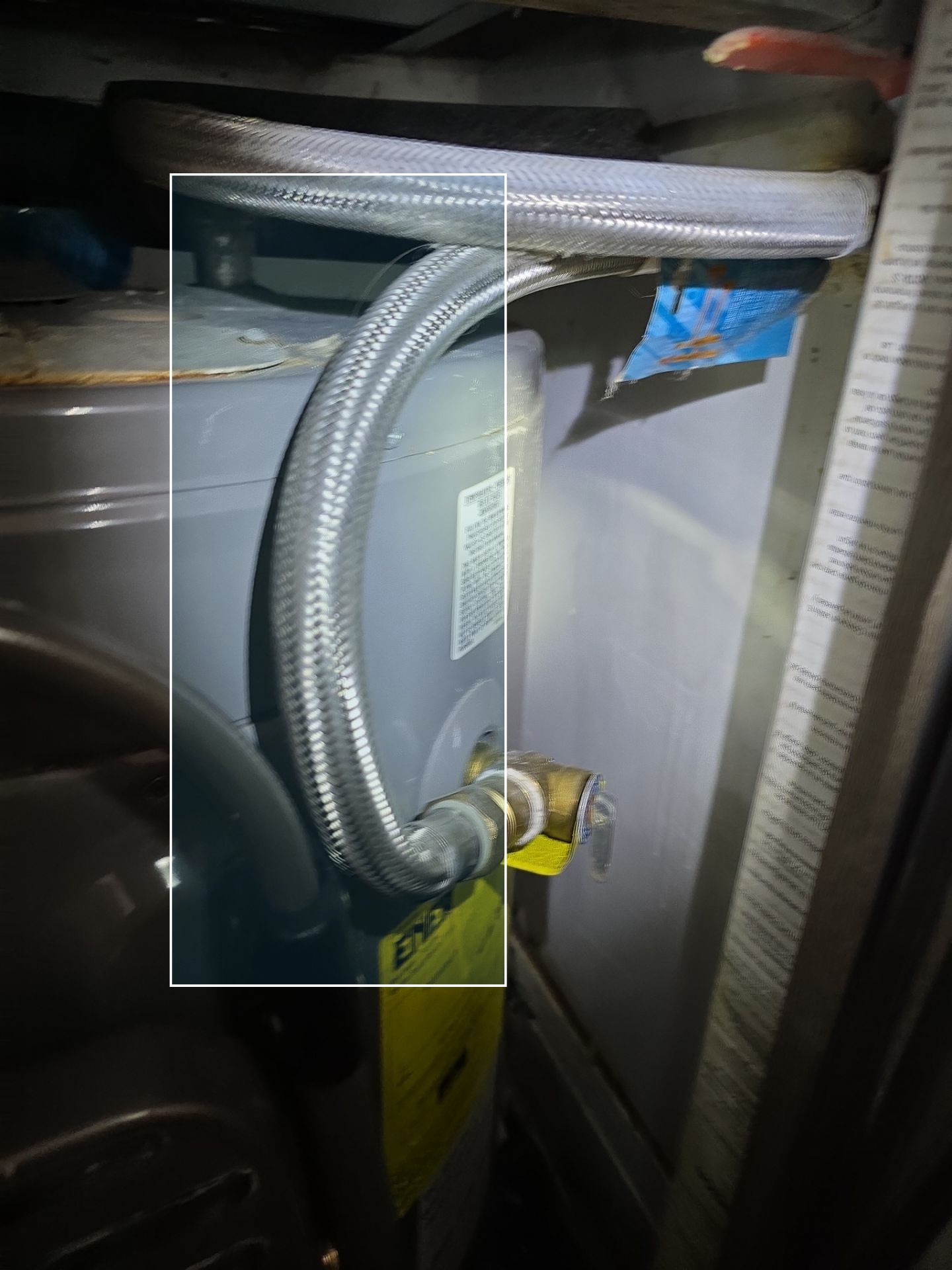
TEMPERATURE/PRESSURE RELIEF (TPR) DISCHARGE PIPE: TERMINATION NOT VISIBLE
The termination point of the discharge pipe for the water heater temperature/pressure relief (TPR) valve was not readily observable. The termination should be visible to help ensure that the termination is never capped. The Inspector recommends correction by a qualified HVAC or plumbing contractor.
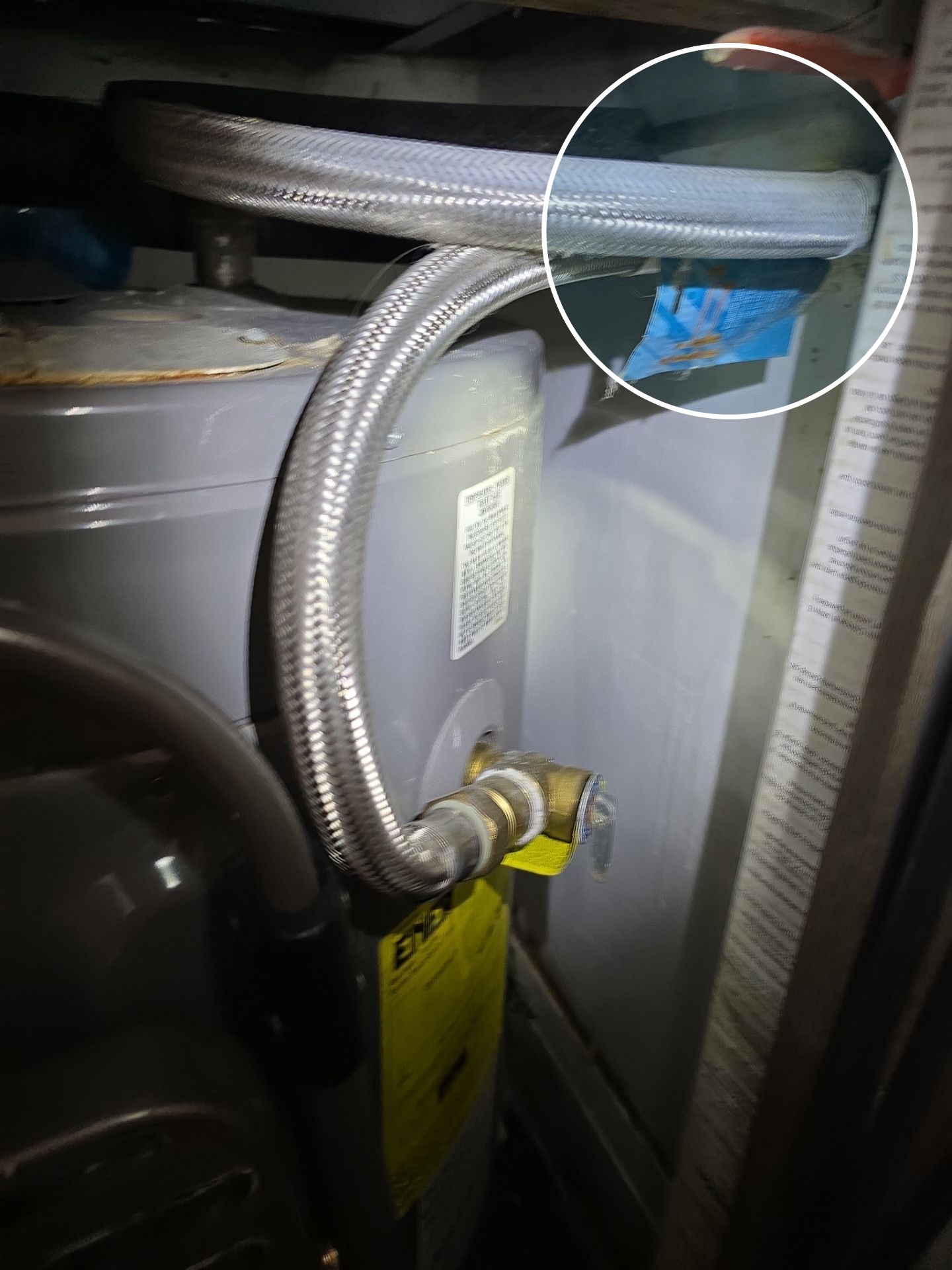
DESCRIPTION AGE
The age of the water heater unit is 5 years old
Photos
Water Temperature
Water Temperature Measured During Inspection: 107 Degrees F
Exterior Hose Bibs
**: Operating
Sump Pumps and Drains
**: None Noted
Interior
Kitchen
Cabinets and Countertops: Good Condition
Sinks and Faucets: Good Condition
Garbage Disposer: Functional
Dishwasher: Good Condition
Ranges, Ovens and Cooktops: Good Condition
Refrigerators: Good Condition
Steps, Stairways, & Railings
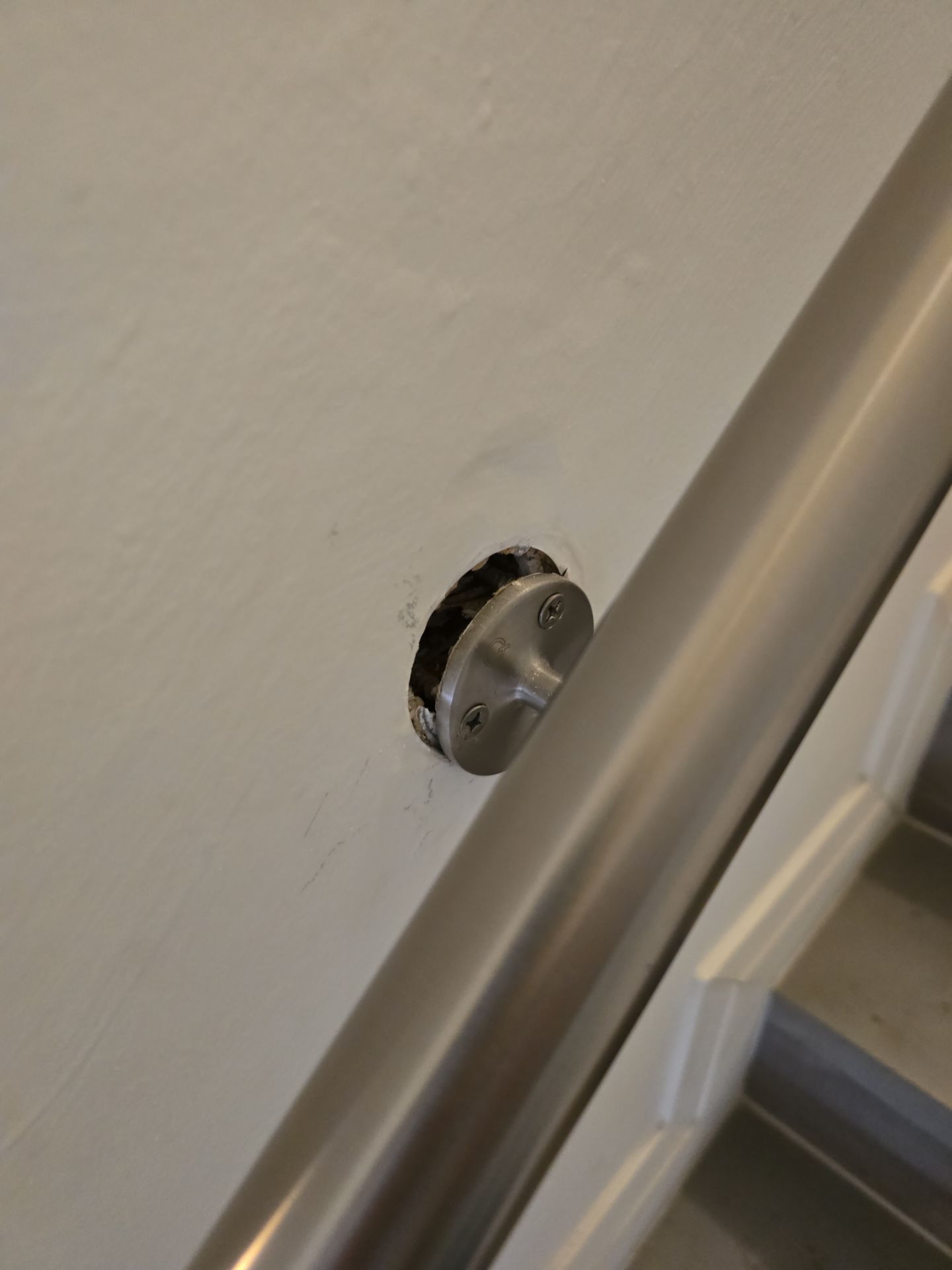
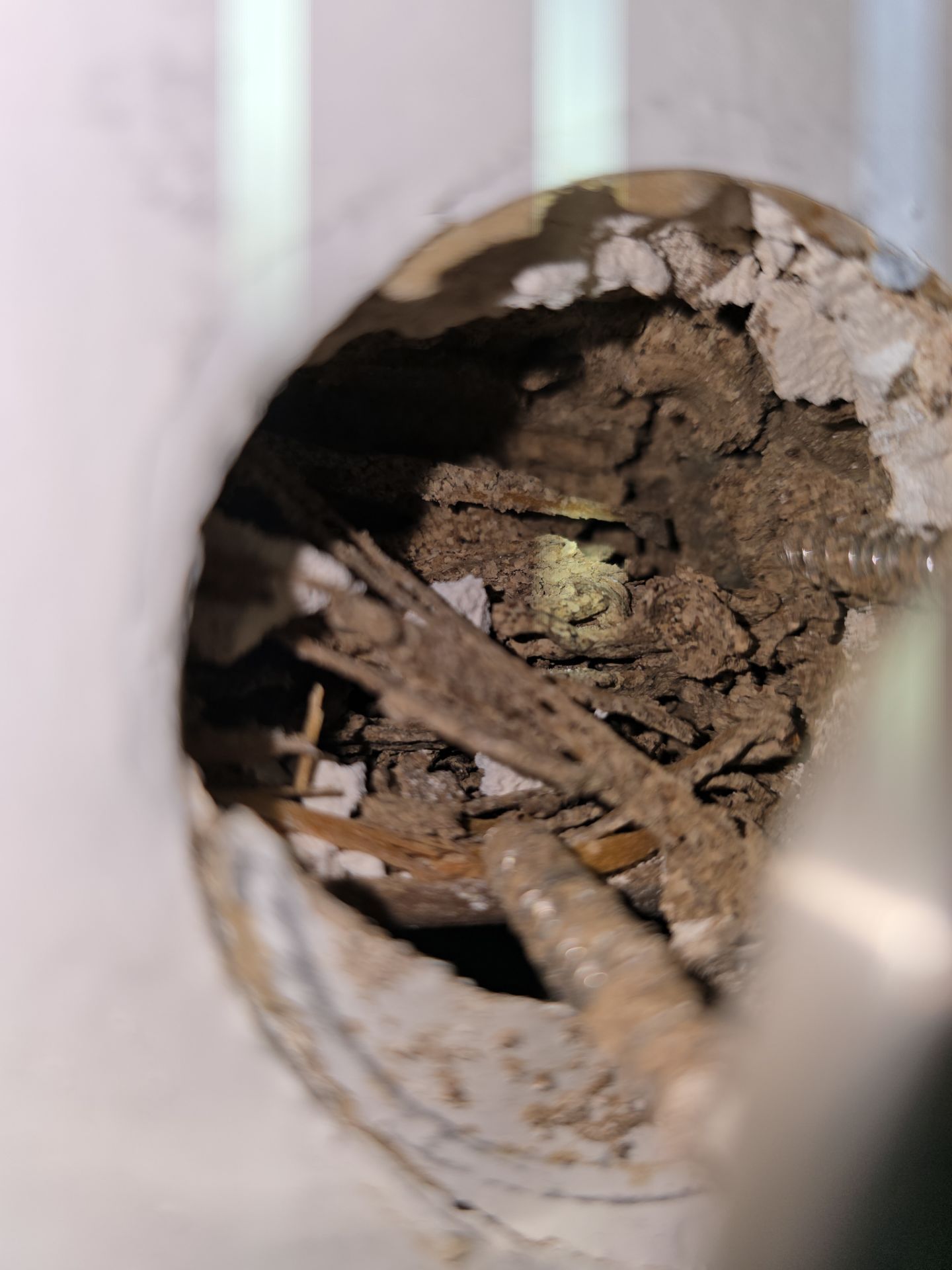
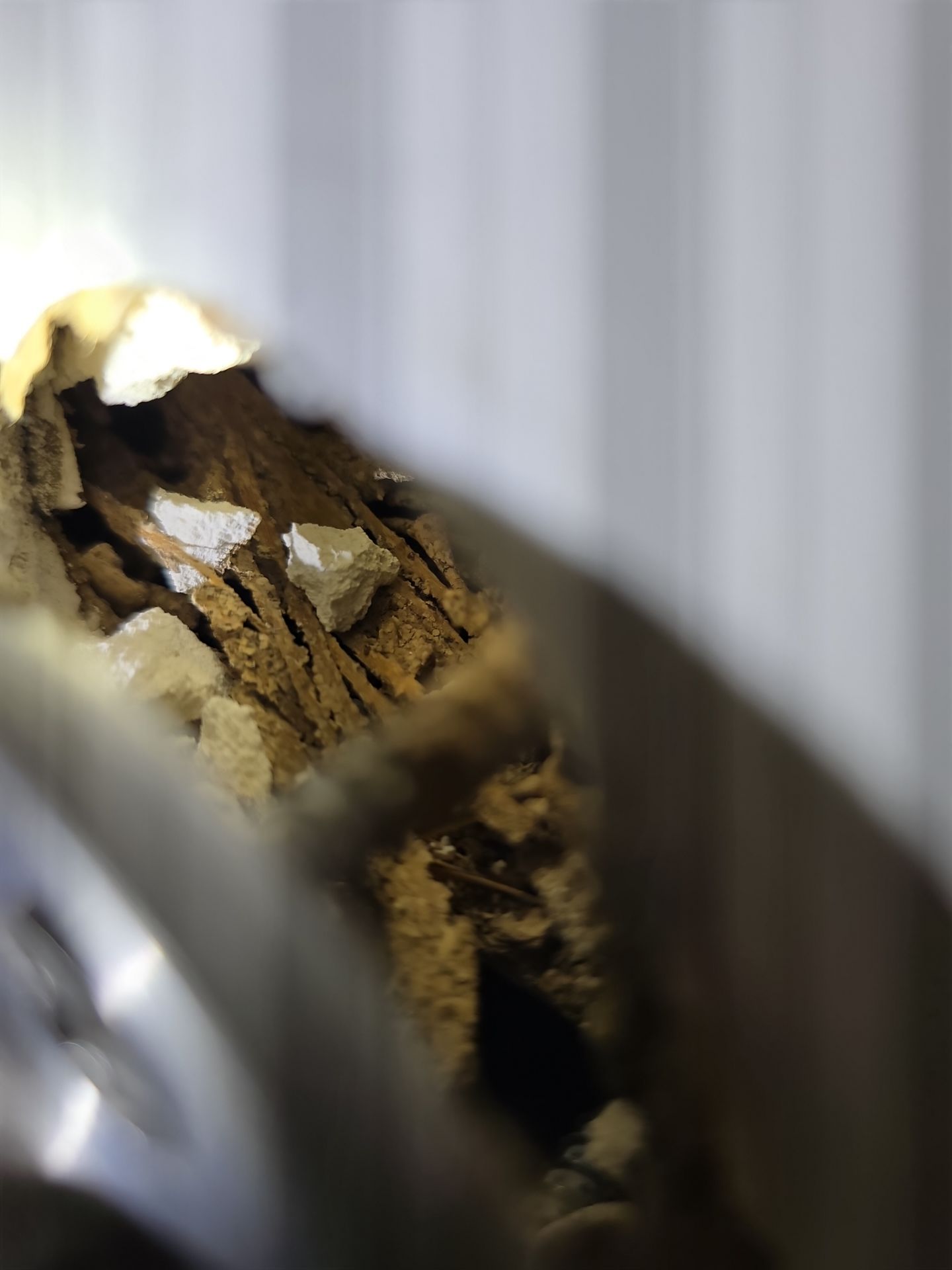
HANDRAIL ASSEMBLY DETACHMENT DUE TO WOOD DAMAGE
The inspection revealed that one end of the handrail assembly has detached from the wall. This appears to be due to prior wood-destroying organism damage affecting the interior wall structure. The compromised wood may no longer provide adequate support for the handrail, posing a potential safety concern.
It is recommended that a qualified contractor evaluate the extent of the damage, repair or replace any deteriorated structural material, and properly resecure the handrail to ensure stability and safety.
 |  |  |
Windows
Type: Sliders
Floors
Covering Material: Laminate
Sub Floor Material: Inaccessible
Bathroom/s
Ventilation: Fan
Laundry Room
**: Present
Type: Double Unit
Location: Upstairs, Hallway, Closet
Sink: None Noted
Garage
General
**: None Noted
Fireplace & Chimney
Solid Fuel Fireplaces
**: None Noted
Chimney
**: None Noted
Closing Procedure
Check Out List
Oven:Off
Lights:Owner Still in House
Heating and Cooling:Restored to Pre-inspection temperatures
Appliances:Owner is still in the house
Invoice -- The Complete Inspection Report
829 Willow Crest Drive Clearwater, FL 33764
| Town-House Inspection | $0.00 |
| Tax at 7.0%: | $0.00 |
| $0.00 | |
| DUE |
Vista Inspection Services, LLC
14261 SW 120th ST
Suite 108-253
Miami, Florida 33186
813-444-8437

Signed Contracts
Vista Inspection Services, LLC
813-444-8437
www.viflorida.com
info@viflorida.com
Florida State Inspector License No. HI17060