In Florida, maintaining homeowners insurance often means more than simply paying your premium on time. If your home is older, your insurance carrier may require a Four-Point Inspection before issuing or renewing coverage.
A Four-Point Inspection is not the same as a full home inspection. Instead, it focuses specifically on the four major systems that insurance companies consider the highest risk:
The purpose of the inspection is to evaluate the age, condition, and overall functionality of these systems to help insurers determine whether the home presents an increased risk for future claims.
For many Florida homeowners, especially those with homes over 20 years old, this inspection can directly impact insurance eligibility, policy renewals, and premium costs.
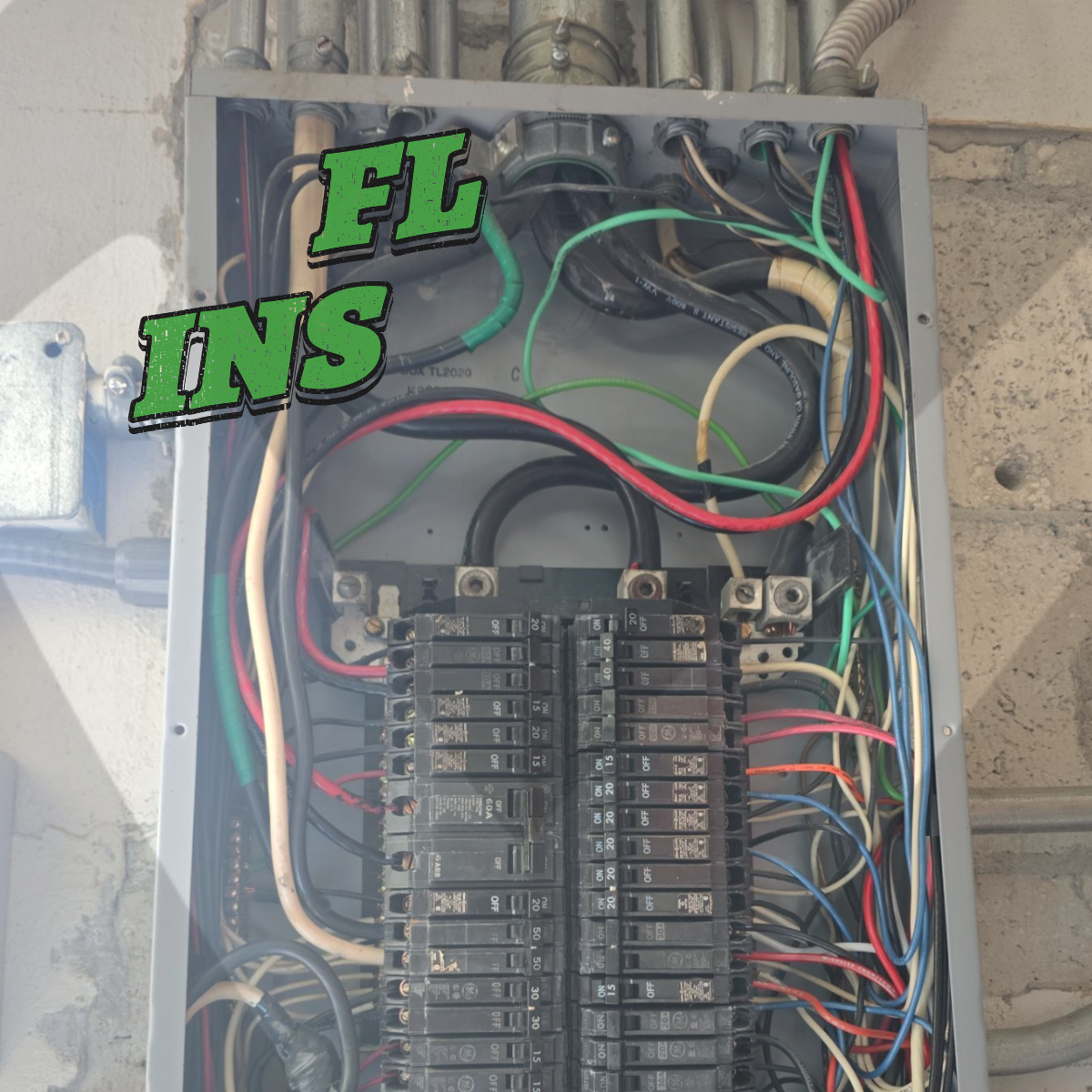
The electrical system is inspected for safety concerns and outdated components that may increase the risk of fire hazards. This includes evaluating:
Certain panel brands and older wiring methods are commonly flagged by insurance companies and may require repairs or replacement before coverage is approved.
The roof is evaluated for its current condition, visible damage, estimated remaining life expectancy, and signs of leaks or deterioration.
Insurance carriers pay close attention to:
In Florida’s climate, the roof is one of the most important systems affecting insurability due to heavy rain, wind exposure, and storm activity.
The plumbing inspection focuses on visible supply and drain piping, fixtures, and the water heater.
Inspectors look for:
Certain plumbing materials, such as polybutylene piping, are considered high risk by many insurance companies due to their history of failure.
The heating and cooling system is inspected to determine its age, functionality, and overall condition.
This includes:
A properly functioning HVAC system is especially important in Florida, where high humidity levels can contribute to moisture-related issues inside the home.
Insurance companies use Four-Point Inspections to assess the likelihood of future claims. Homes with aging systems, outdated materials, or visible defects may be considered higher risk.
In many cases, addressing small issues early can help homeowners:
To help the inspection process go smoothly, homeowners should ensure clear access to:
If recent upgrades or replacements have been completed, having permits, invoices, or documentation available may also be beneficial.
A Florida Four-Point Inspection plays an important role in both homeownership and insurance eligibility. By evaluating the roof, electrical, plumbing, and HVAC systems, the inspection helps identify conditions that may affect safety, performance, and insurability.
Understanding what inspectors and insurance carriers look for allows homeowners to stay proactive, protect their investment, and avoid unexpected insurance issues down the road.