A wind mitigation inspection evaluates the features of your home that help reduce damage during high winds and hurricanes. The results are documented in a standardized report that can be submitted to your insurance company for potential discounts.

In Florida, strong storms and hurricanes aren’t a possibility—they’re expected. That’s why understanding how well your home is built to handle high winds is so important. A wind mitigation inspection helps identify the features that strengthen your home and reduce the risk of storm damage.
We provide detailed wind mitigation inspections for homeowners throughout the Tampa Bay area. The goal is simple: document the specific construction features of your home that help it withstand severe weather and ensure they’re properly recognized by your insurance provider.
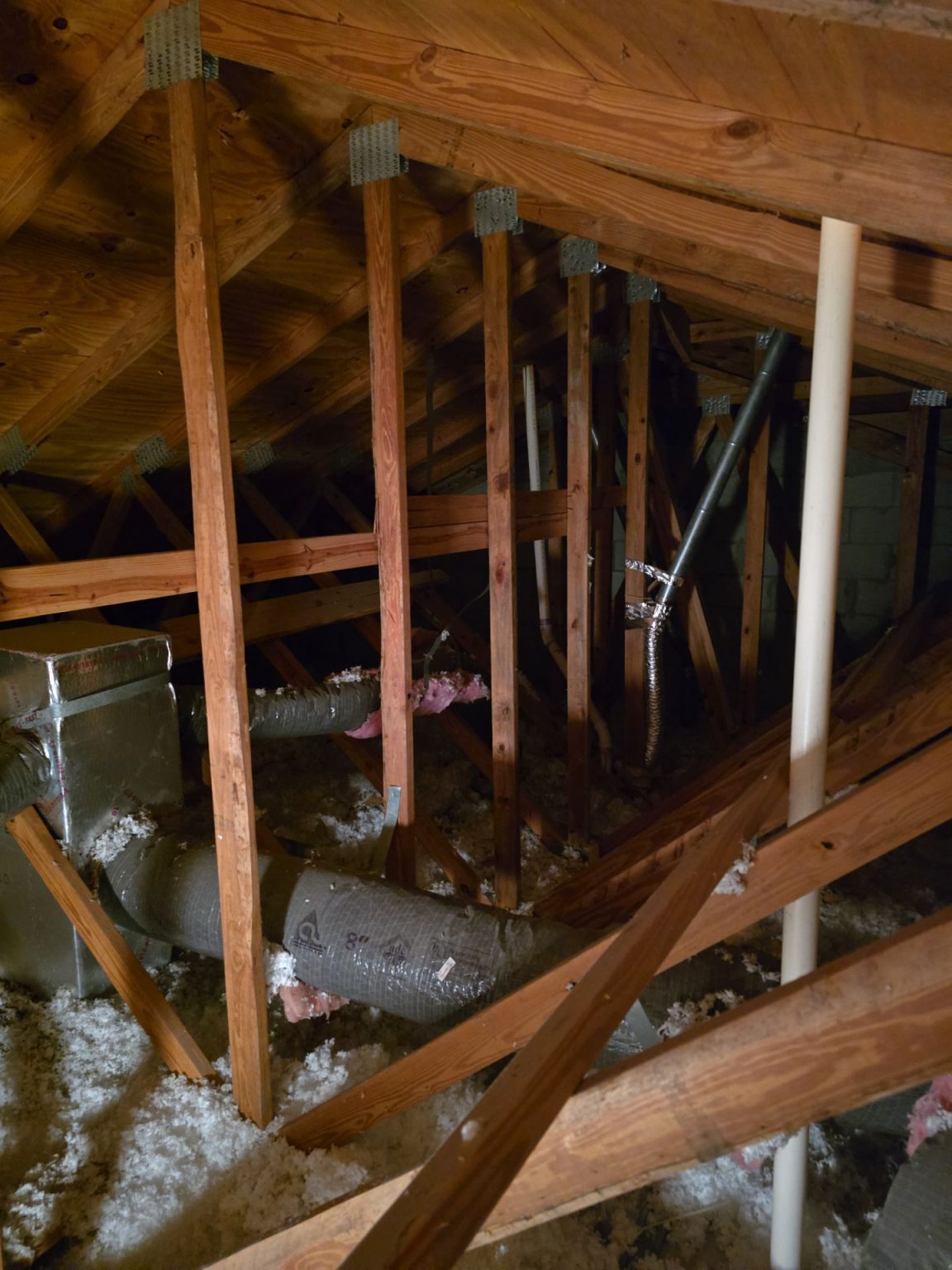
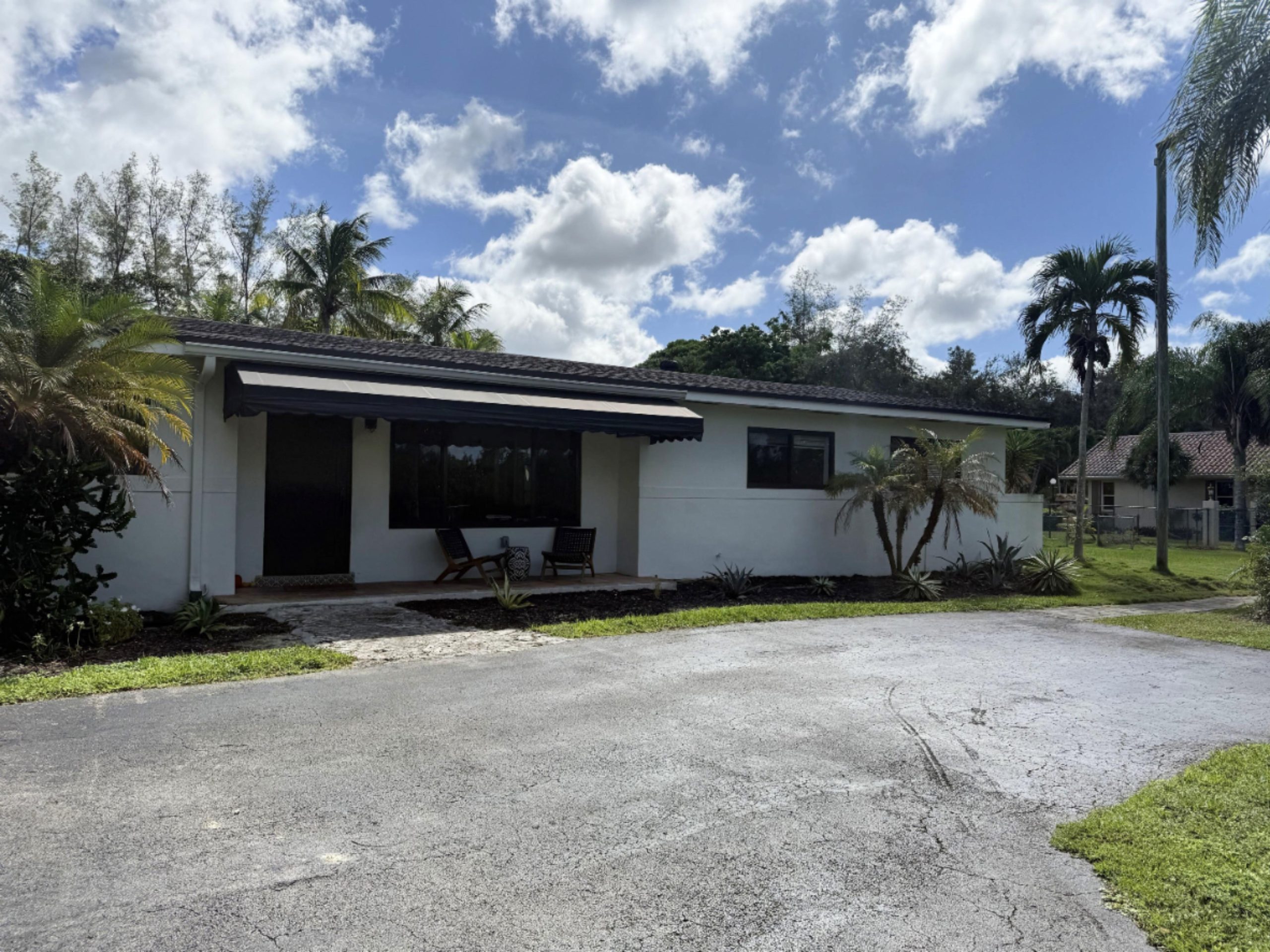
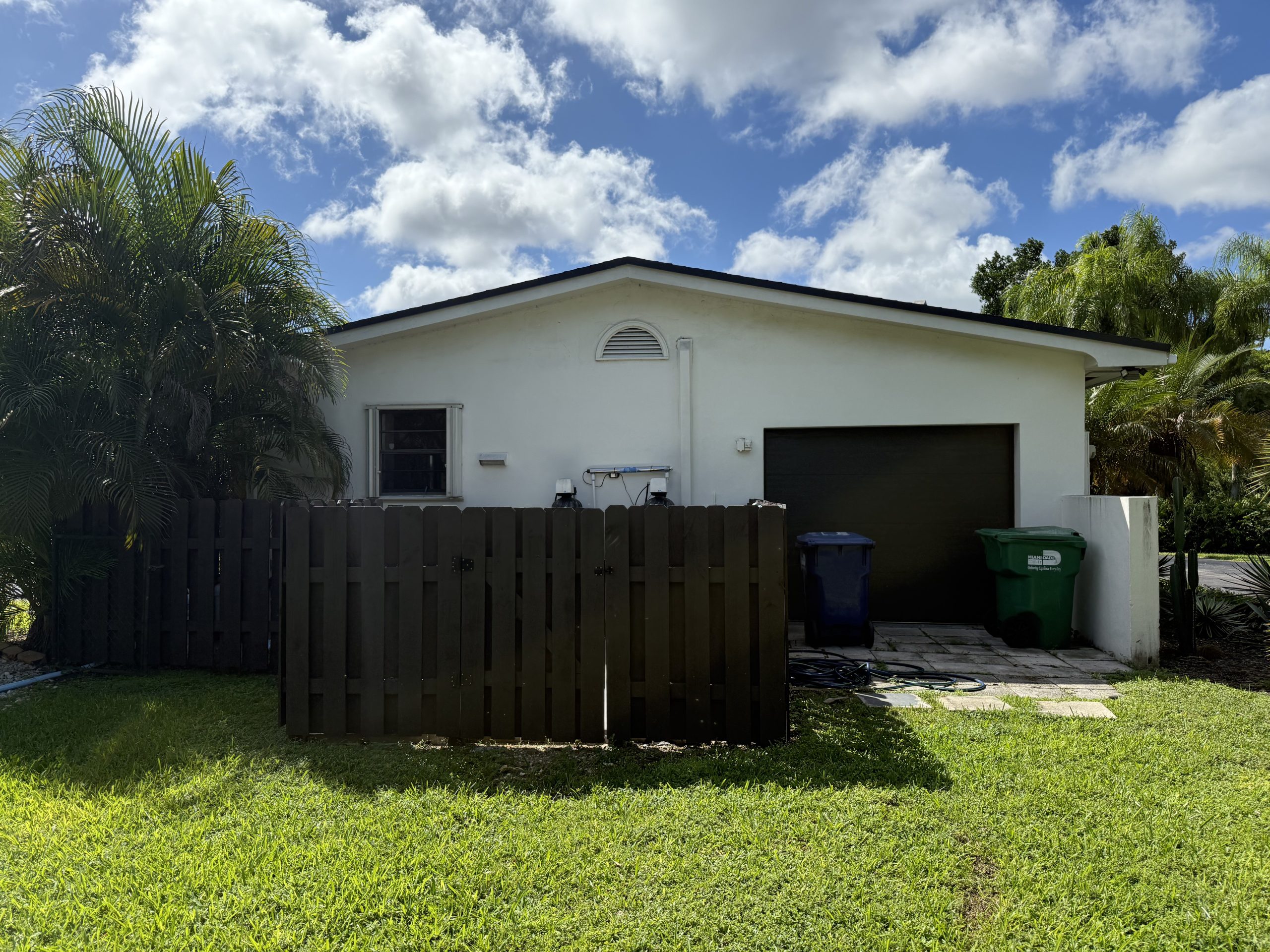
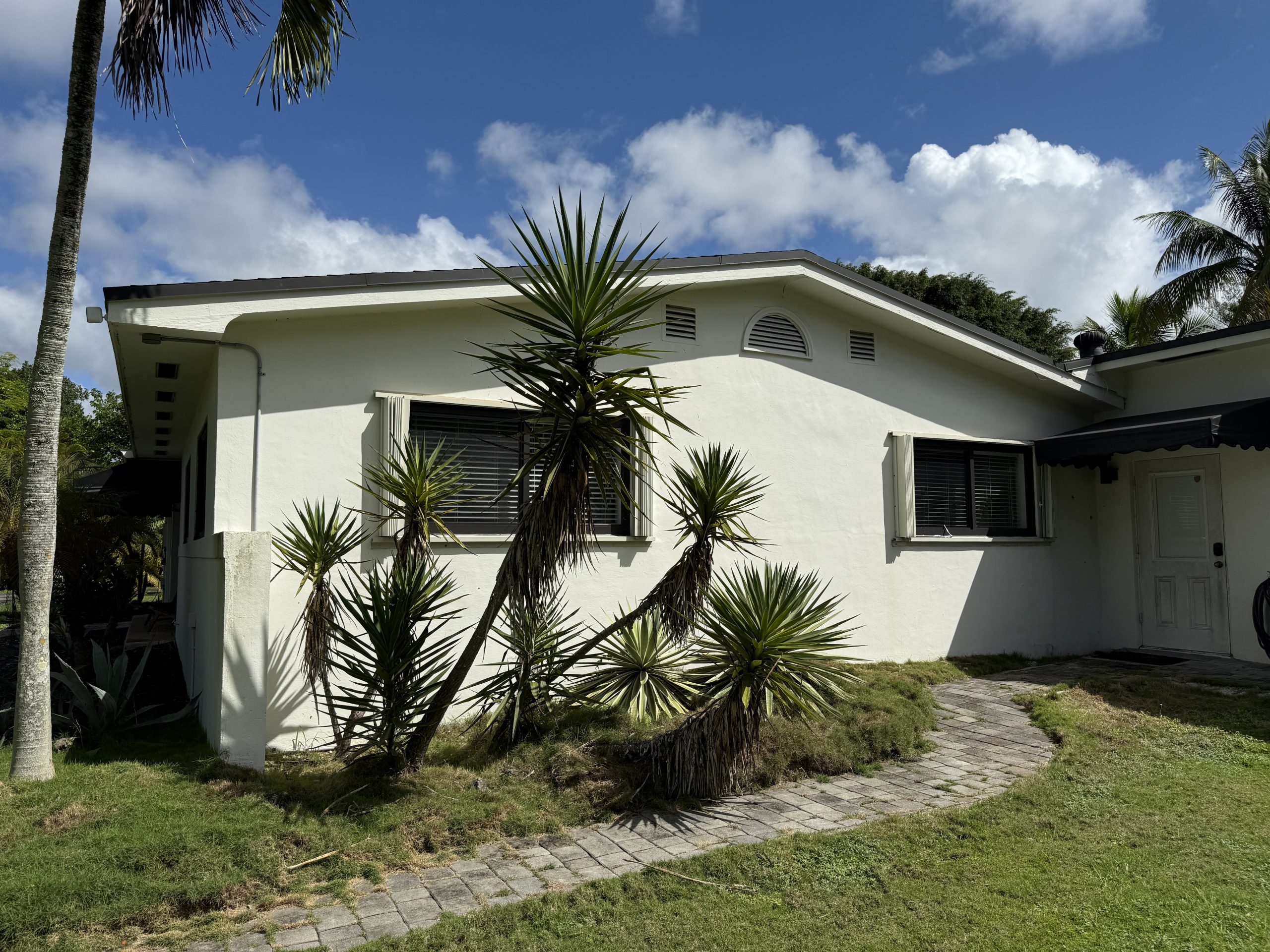
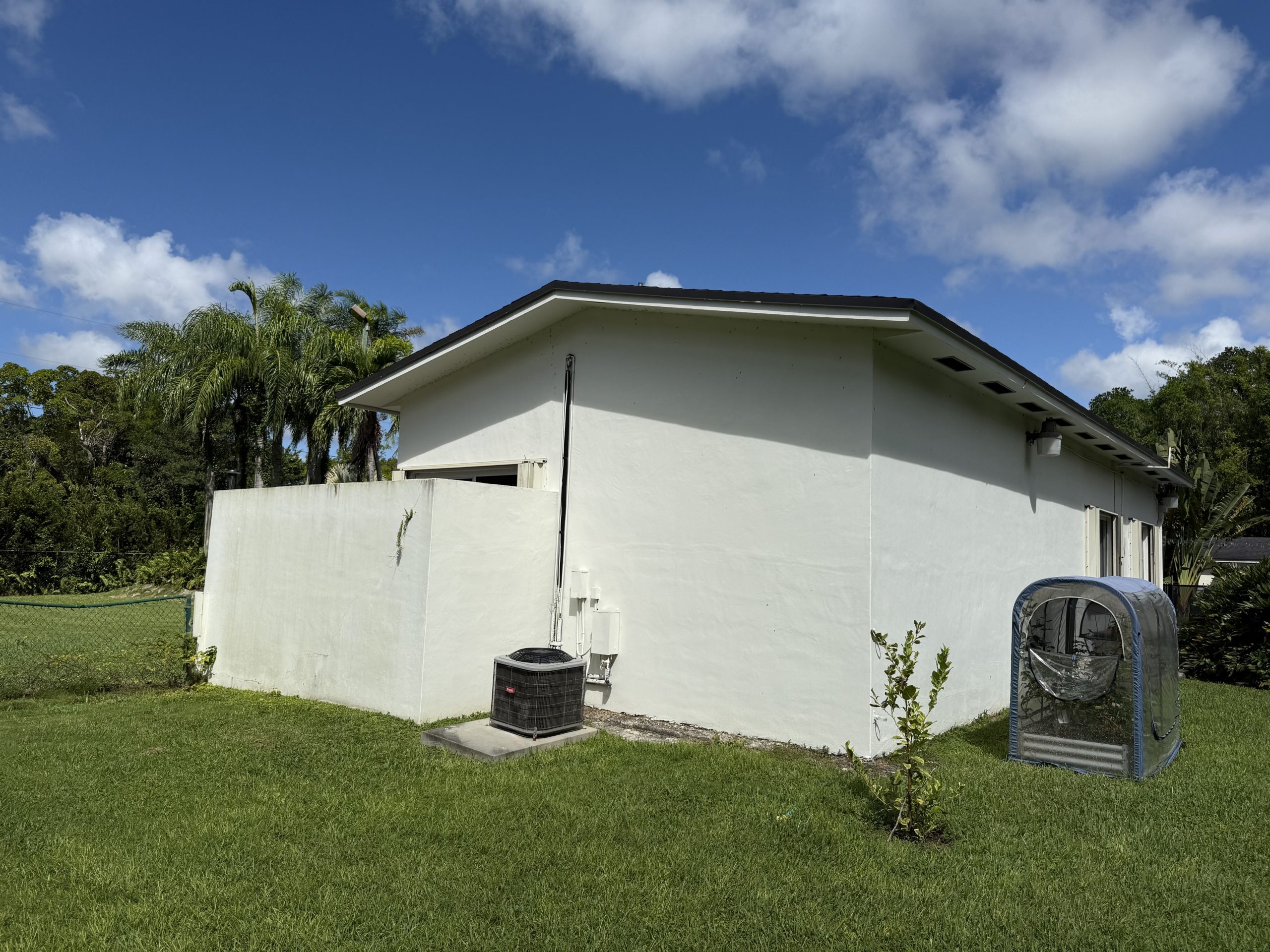
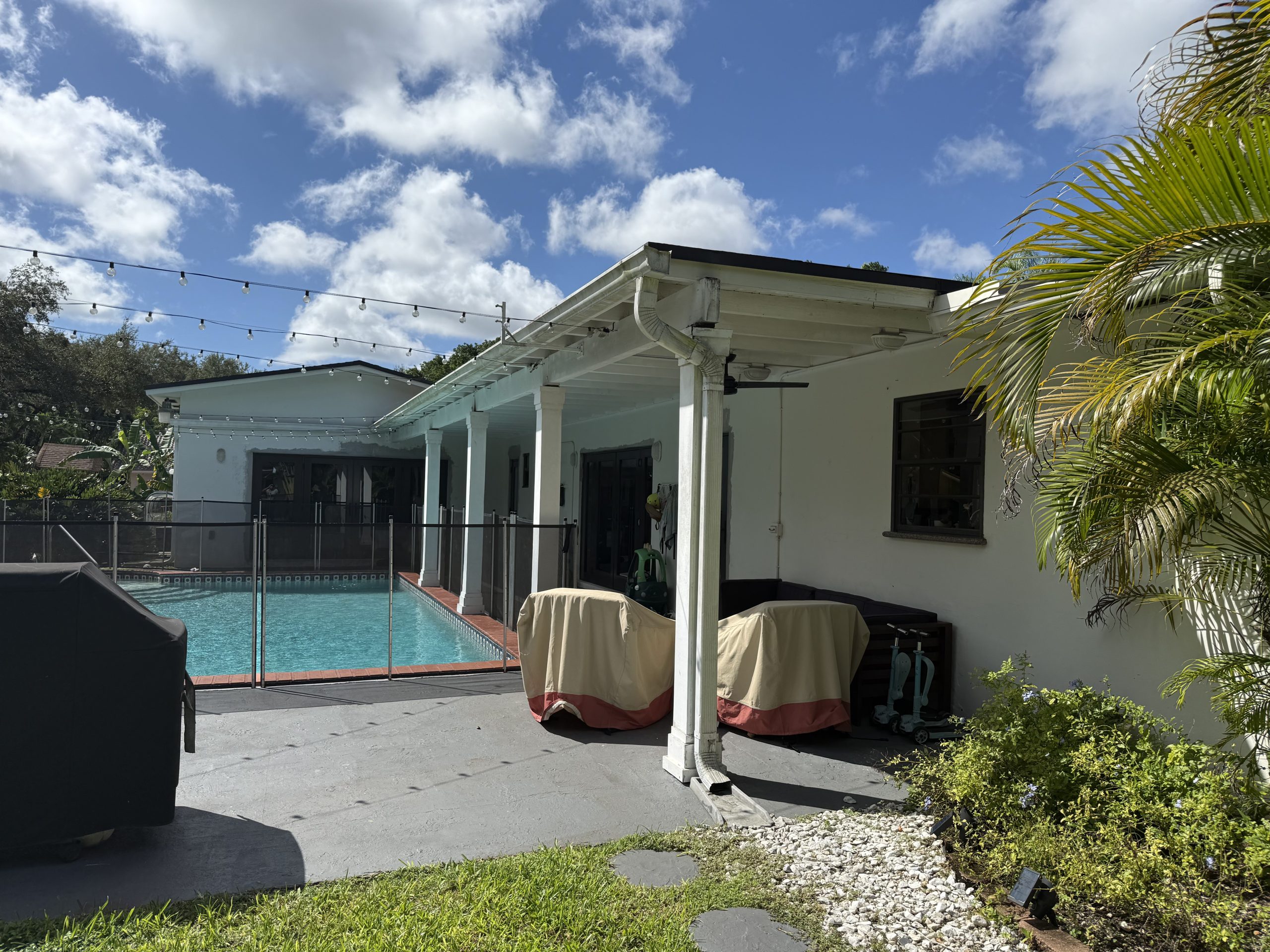
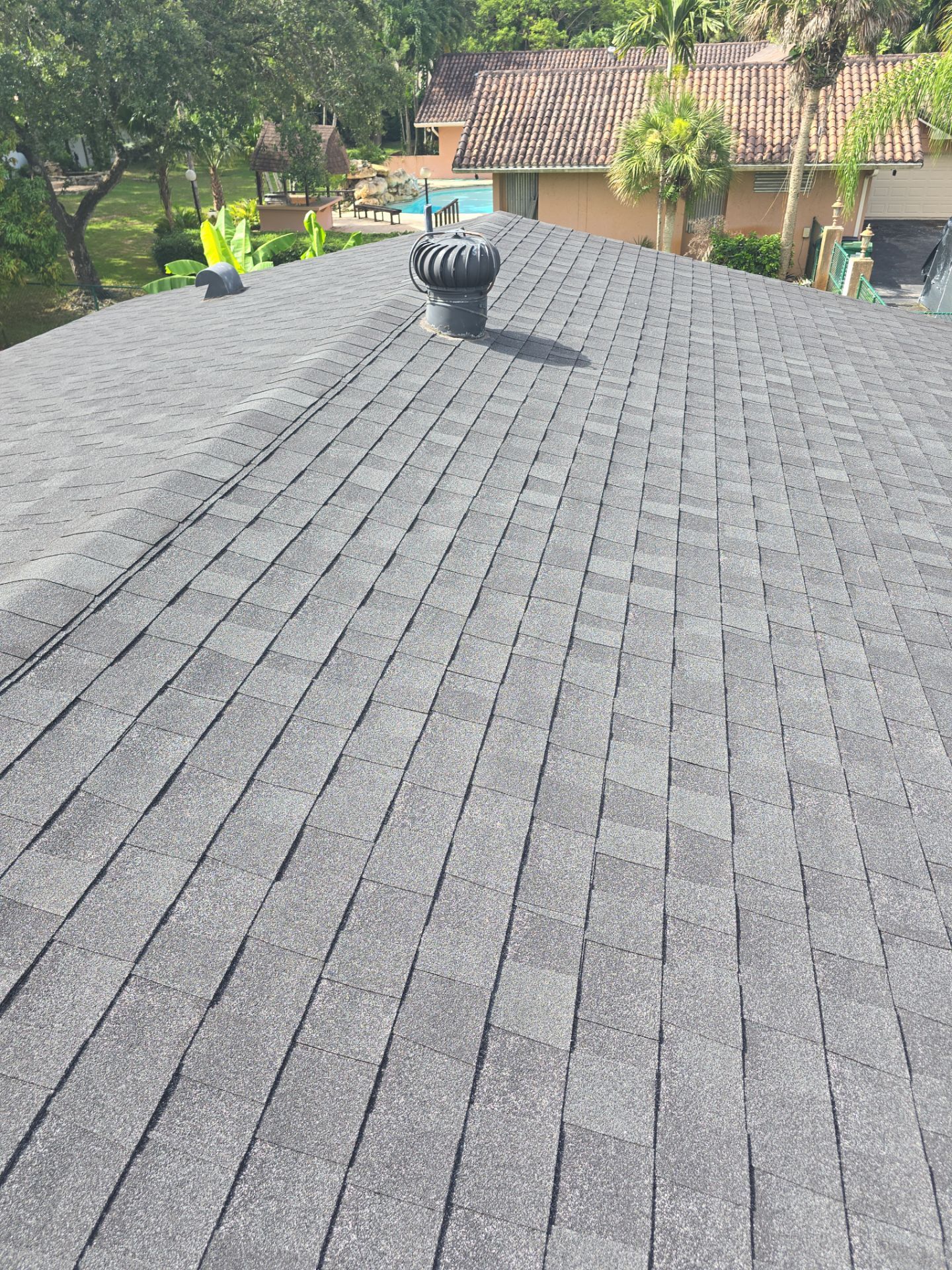
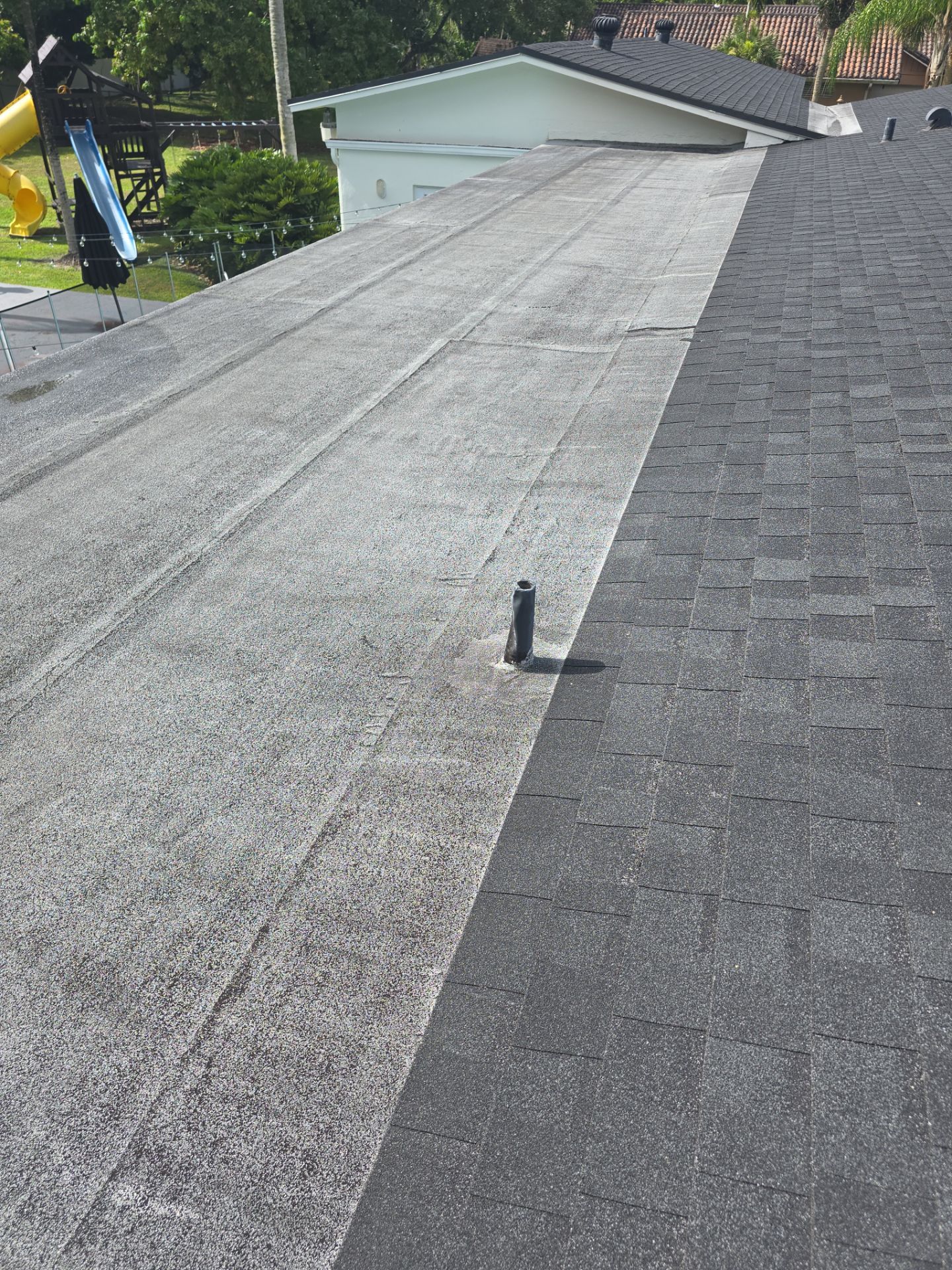
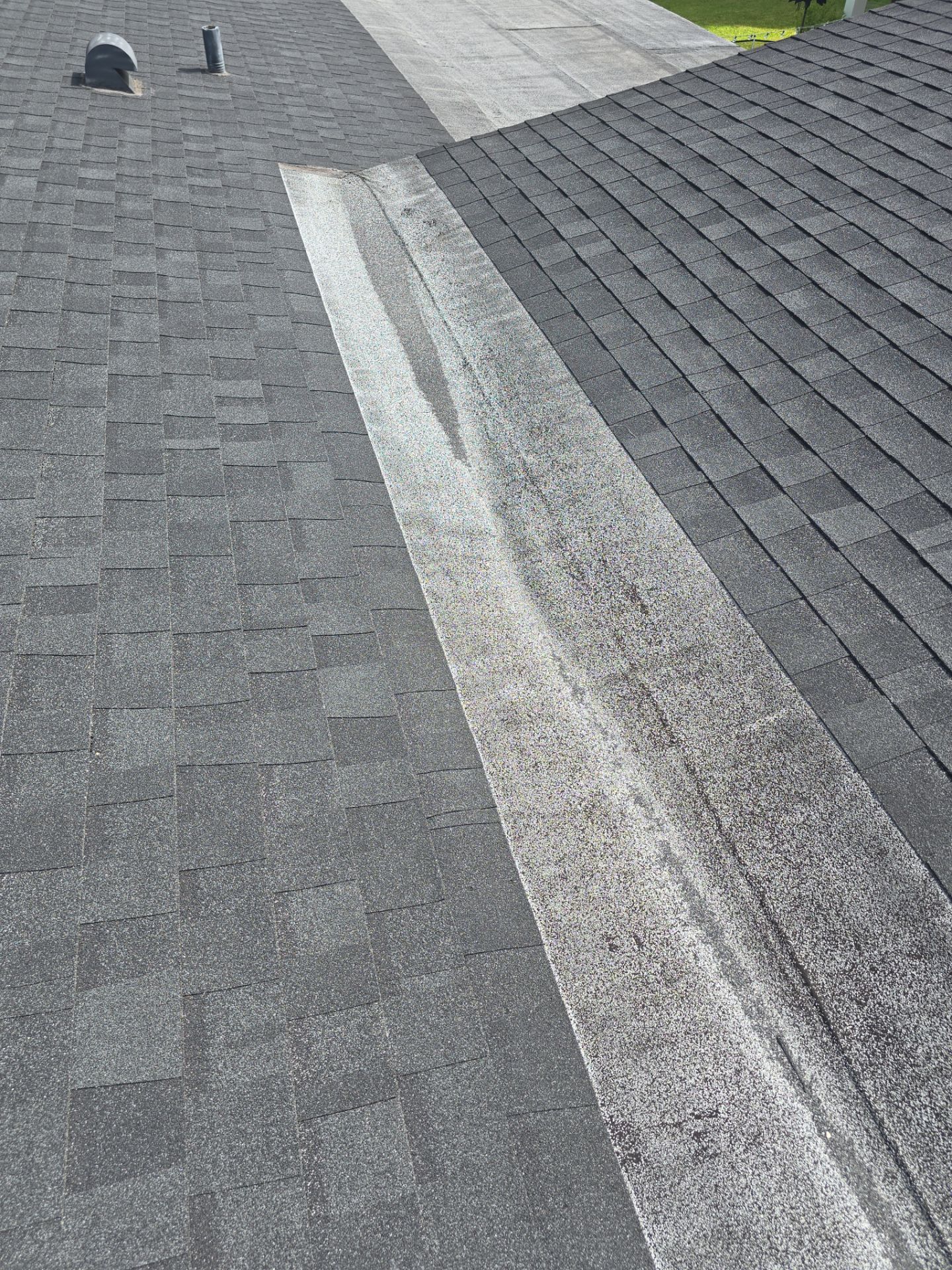
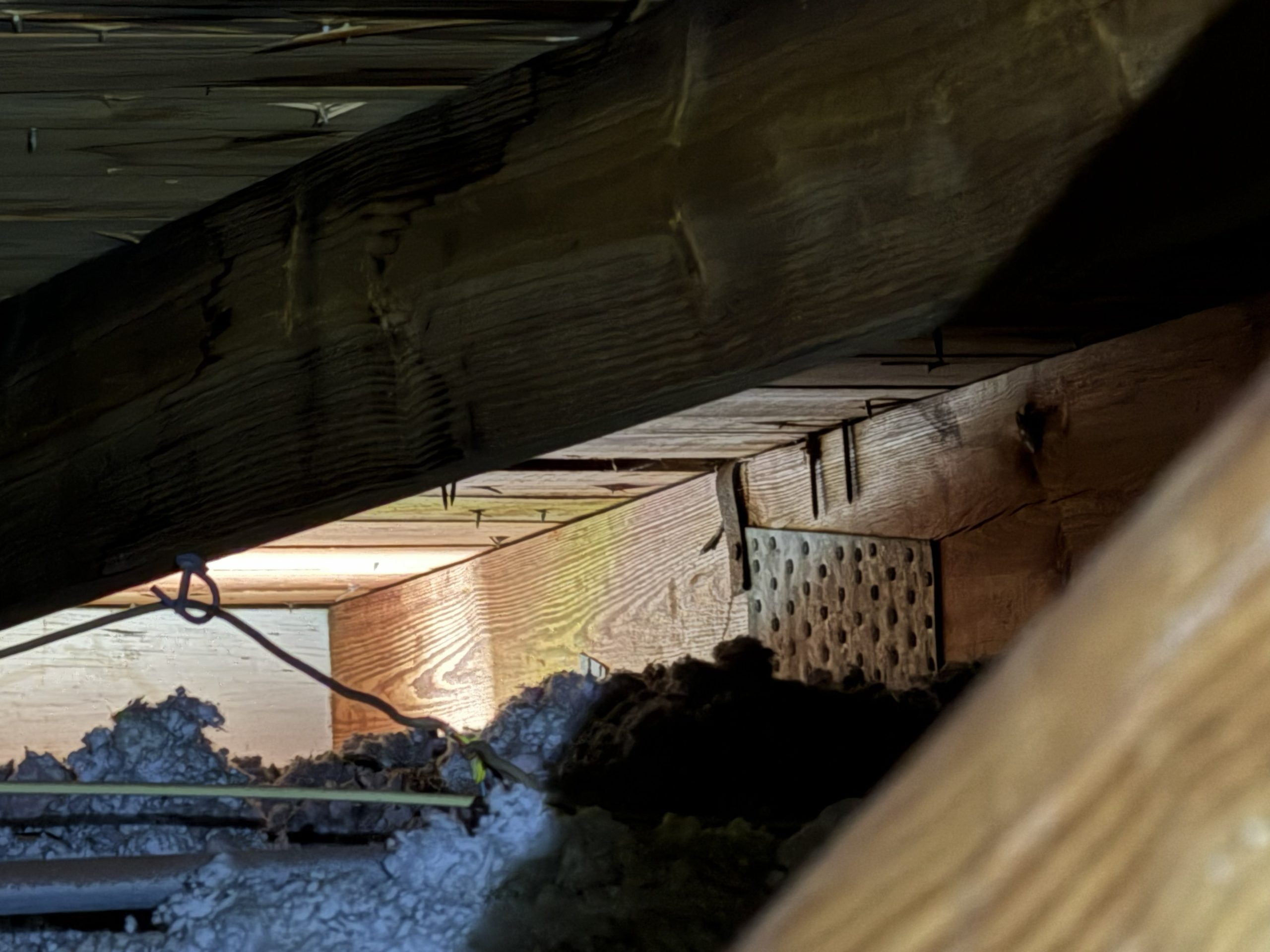
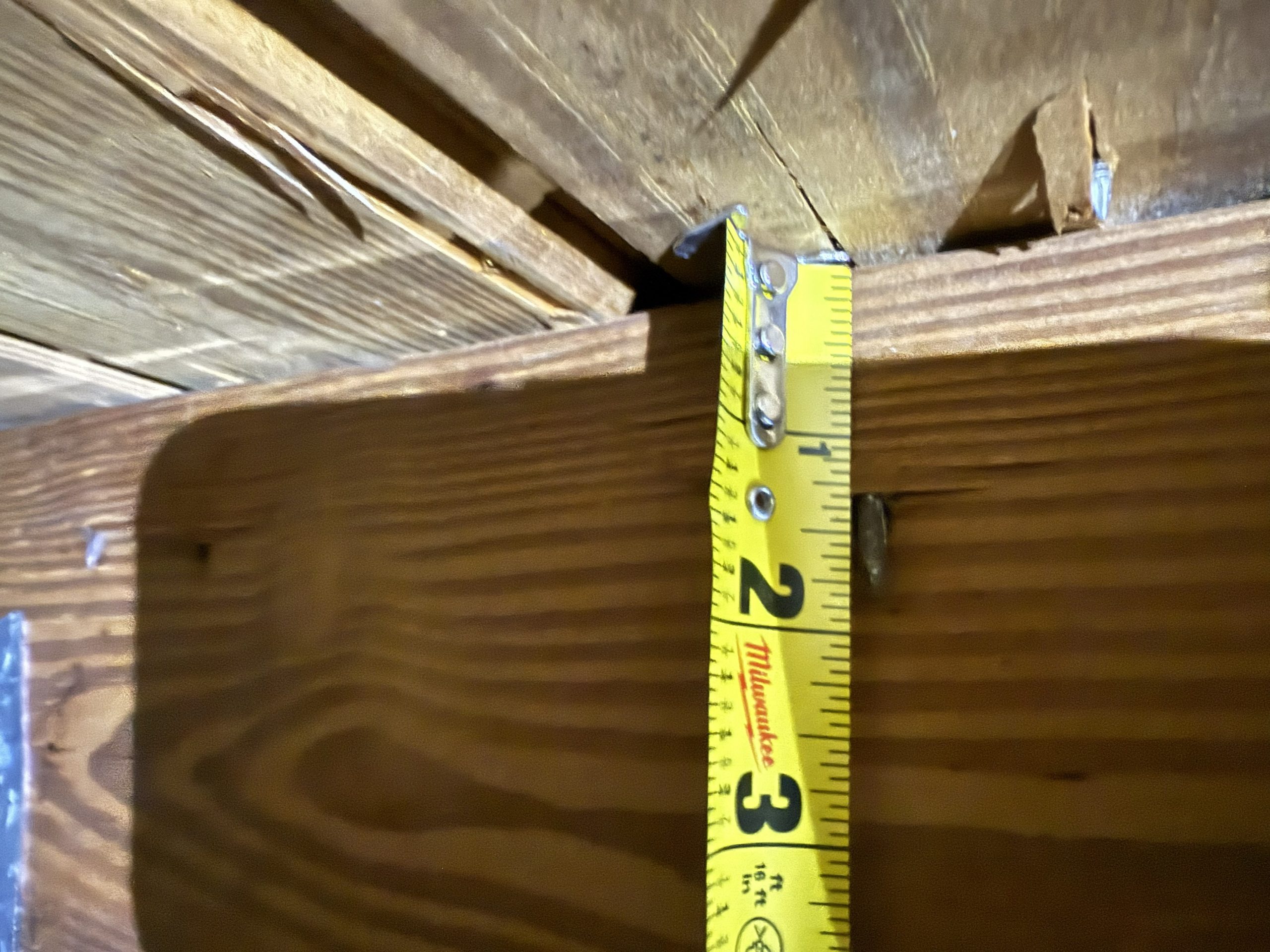
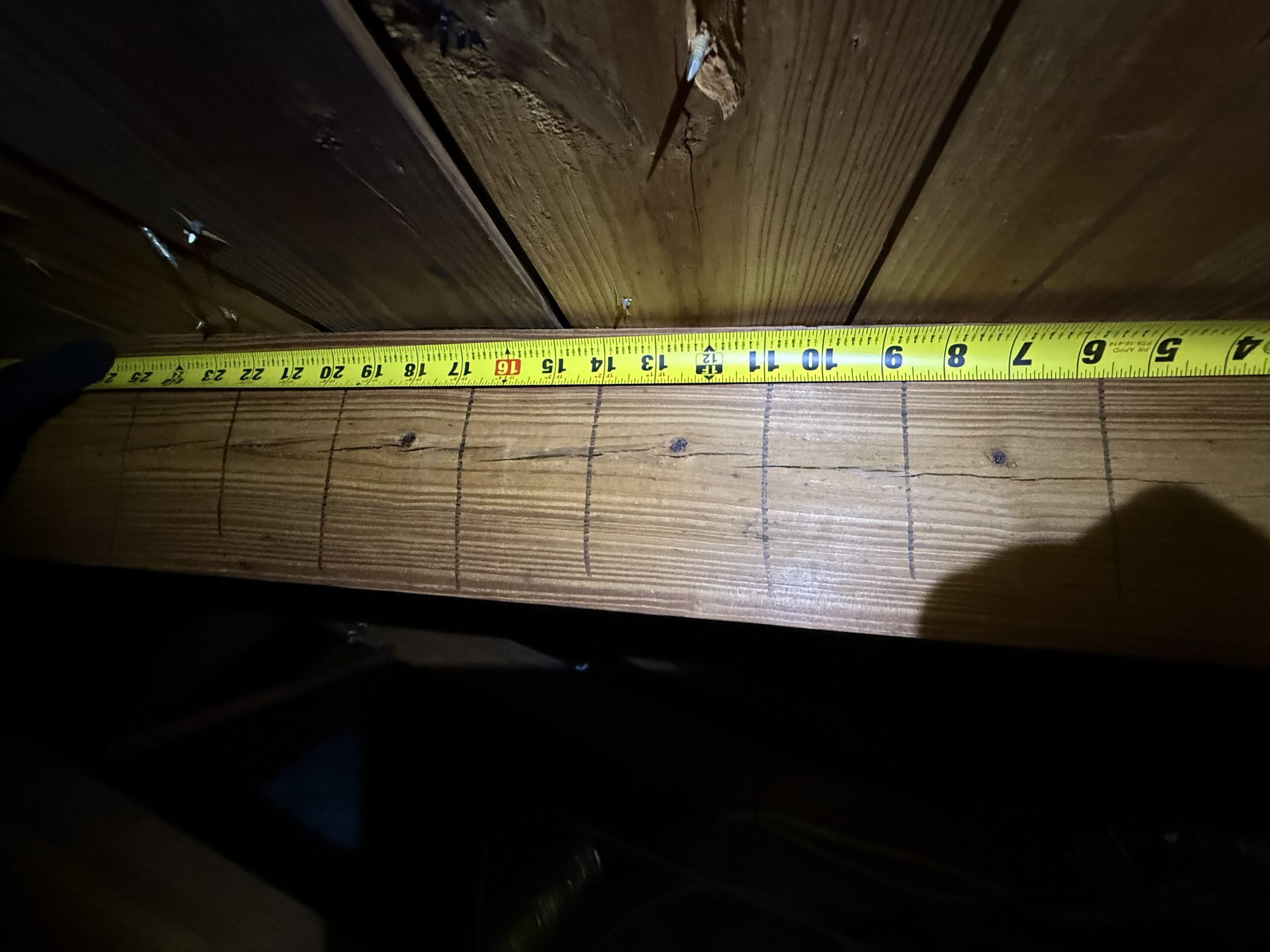
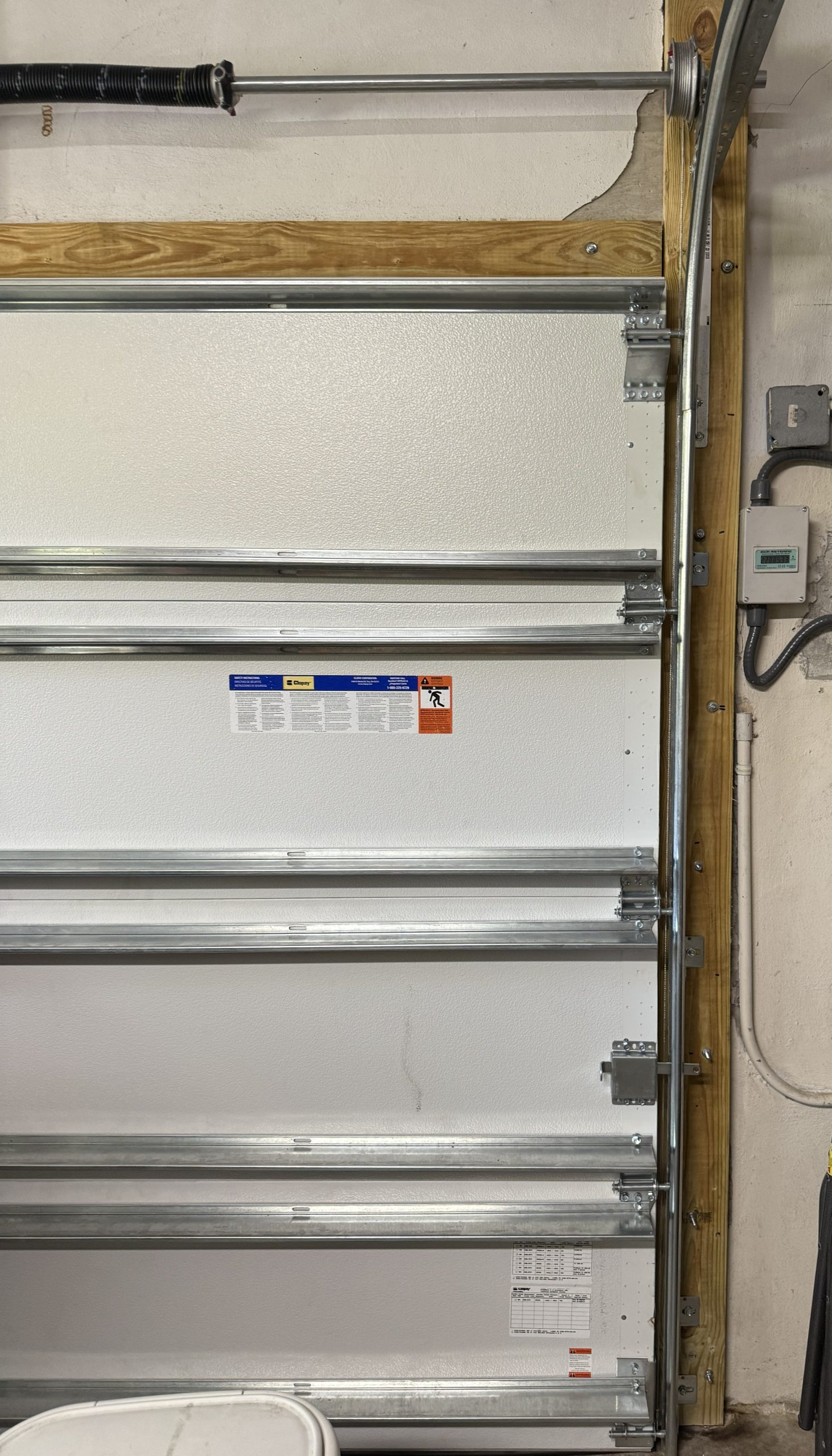
During the inspection, we take a close look at critical components such as your roof design, roof covering, attachment methods, and how the roof is connected to the structure of the home. We also evaluate protective elements like impact-resistant openings, garage doors, and any additional reinforcements that contribute to overall wind resistance.
Our inspectors are fully licensed and experienced in Florida-specific building standards and insurance requirements. Every inspection includes clear documentation and photos, so your report is accurate, compliant, and ready to submit.
A wind mitigation inspection isn’t just about checking boxes—it’s about understanding how your home performs under pressure and making sure you receive any insurance credits you may qualify for.
Our certified inspectors evaluate all wind-resistant features of your home, including:
Roof Shape (hip vs. gable) and Slope
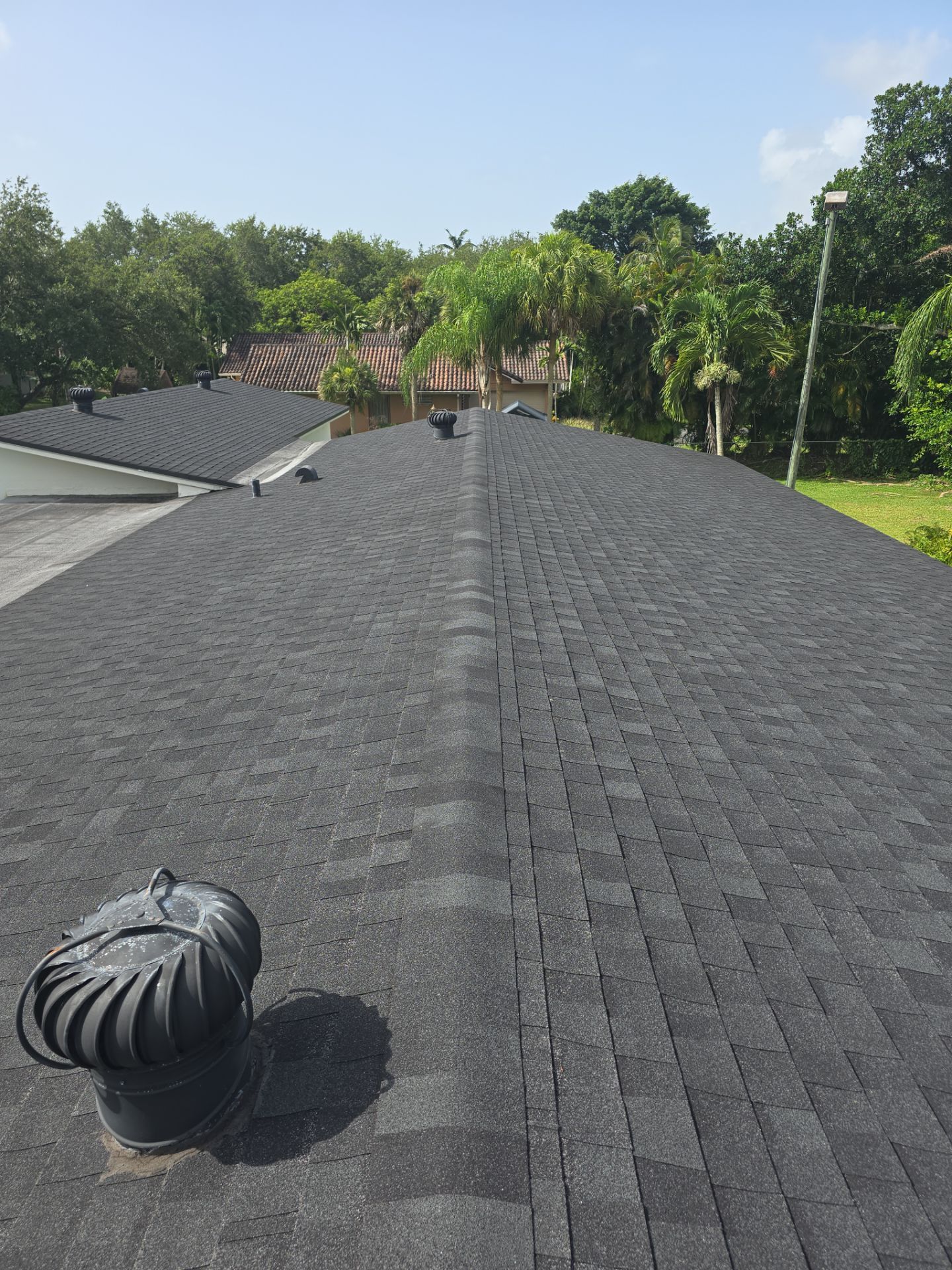
Roof Covering (age and material)
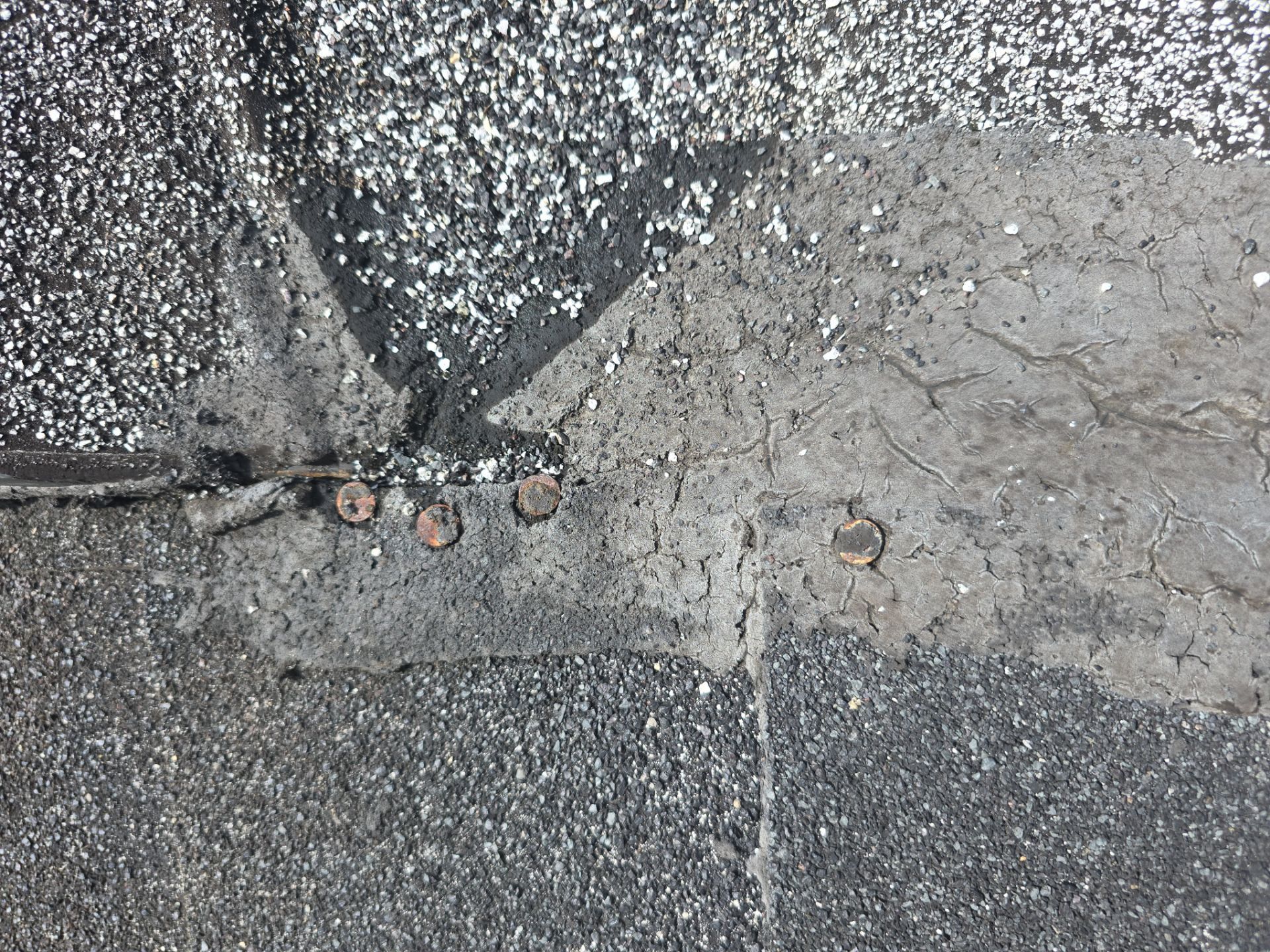
Roof Deck Attachment (nail size and spacing)
Roof-to-Wall Connections (clips, straps, or toenails)
Secondary Water Resistance
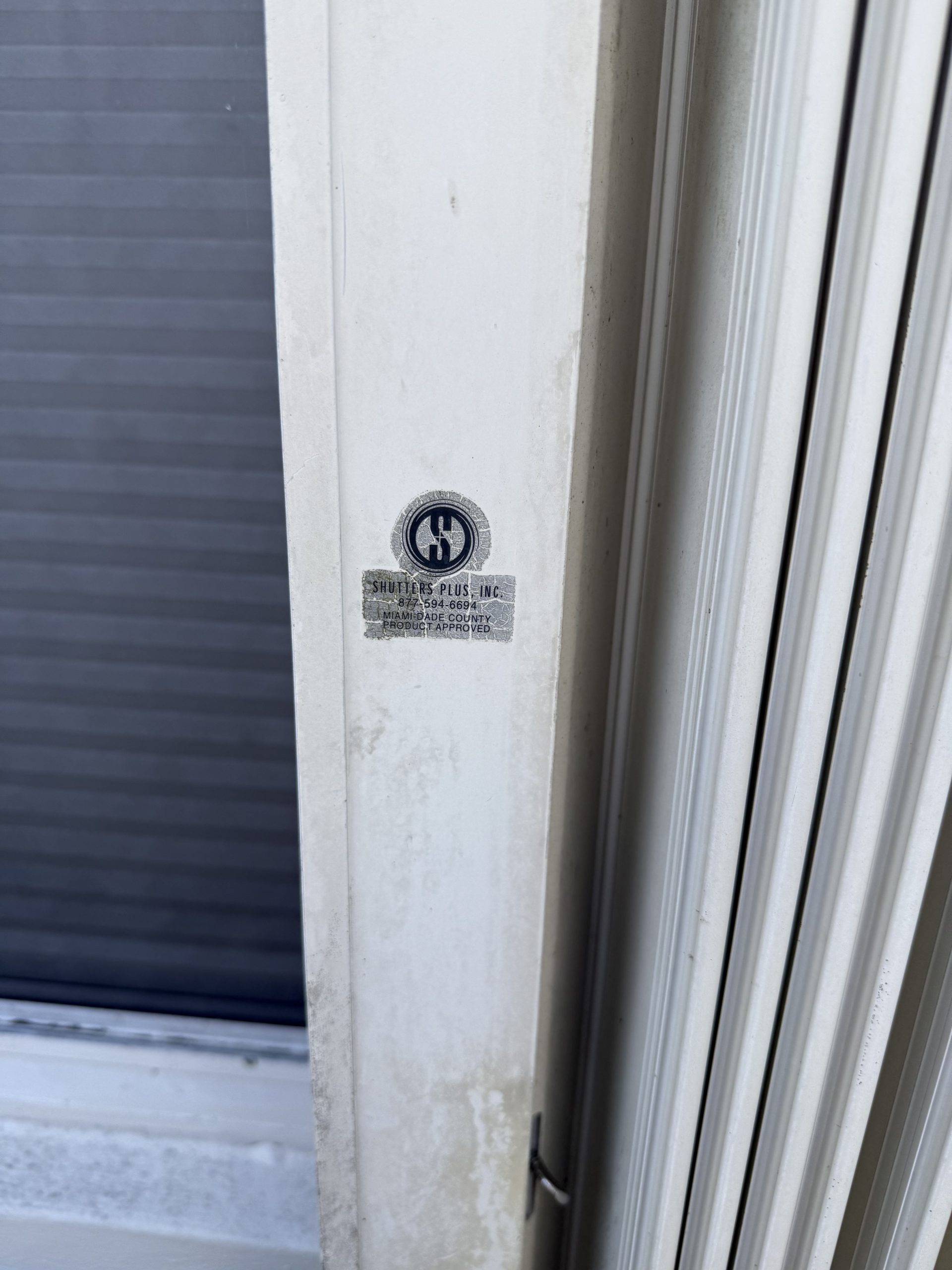
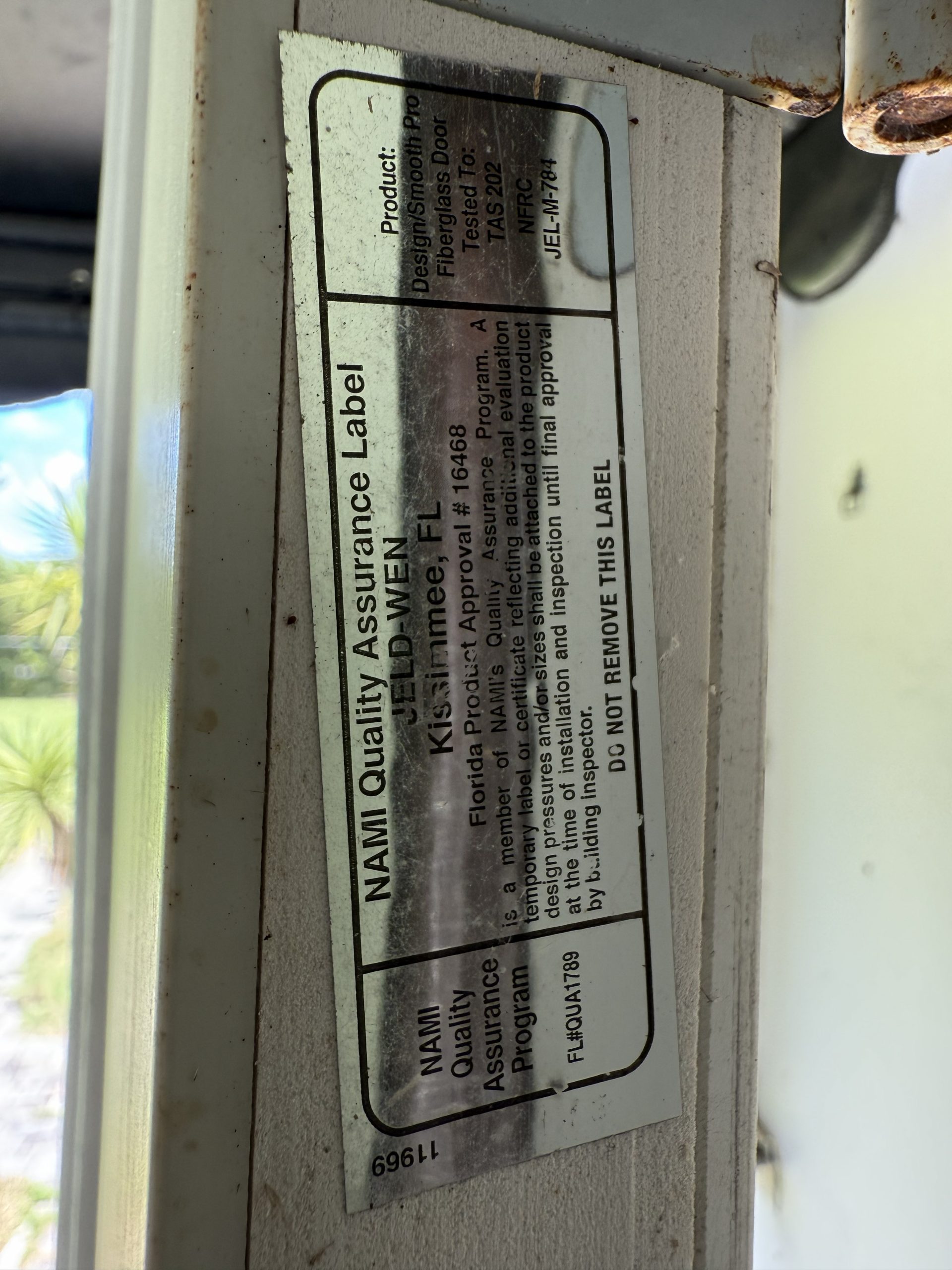
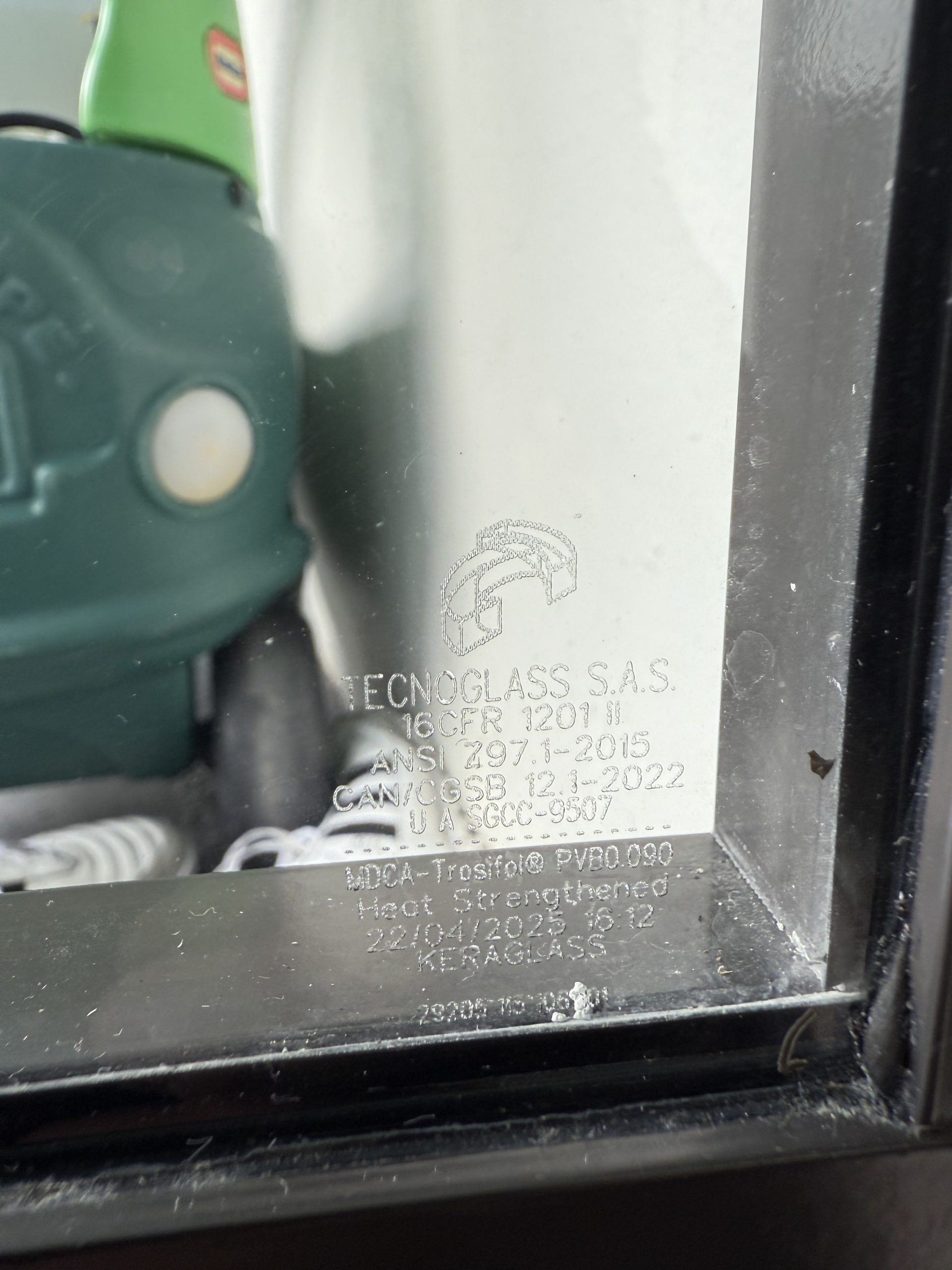
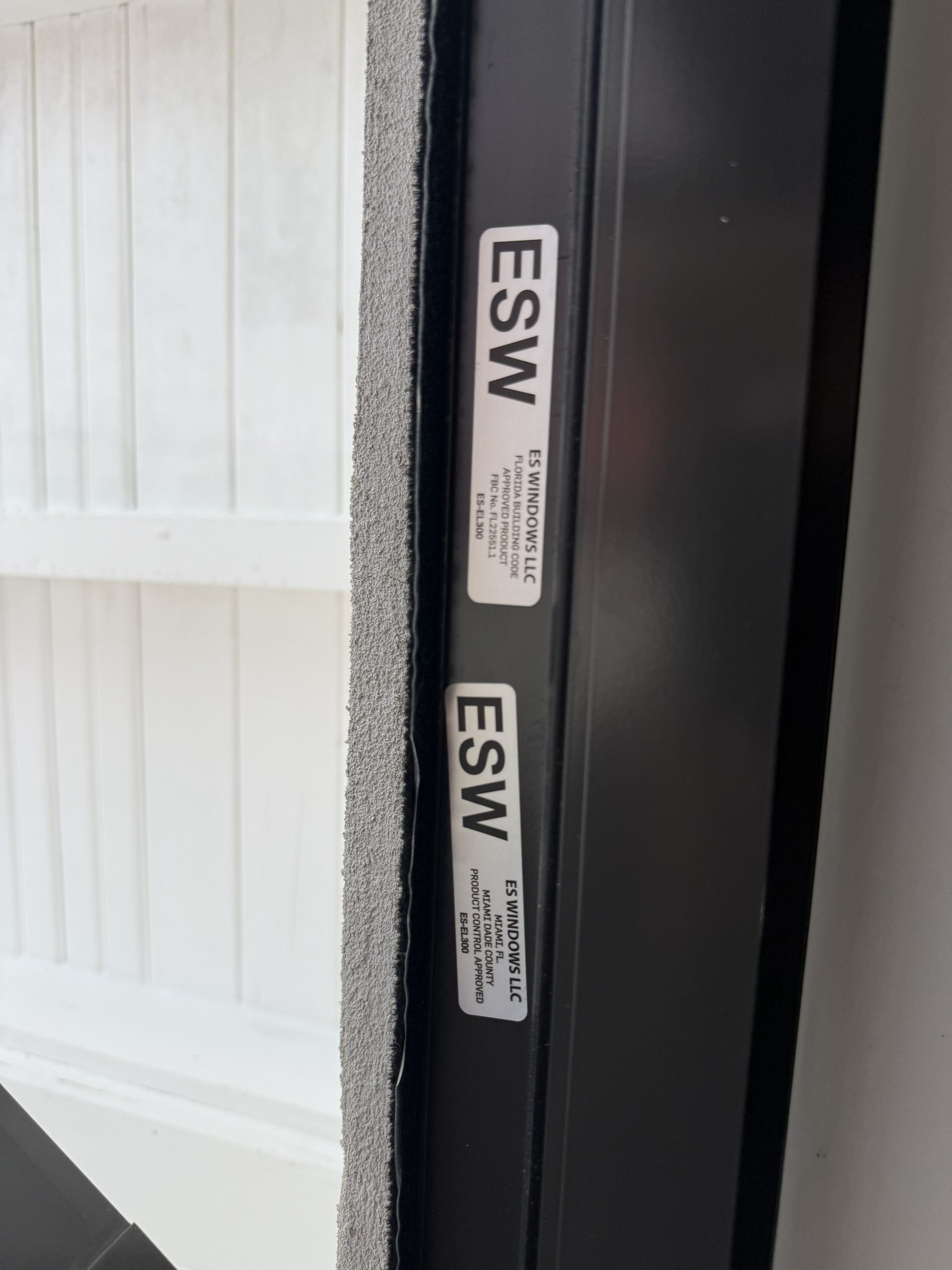
Opening Protection (impact windows, shutters, garage doors)
We take clear photos and detailed notes to ensure your report is accurate and accepted by insurance carriers.

What is a wind mitigation inspection?
A wind mitigation inspection evaluates the features of your home that help reduce damage during high winds and hurricanes. The results are documented in a standardized report that can be submitted to your insurance company for potential discounts.
Is a wind mitigation inspection required?
It’s not required, but it is highly recommended for Florida homeowners looking to reduce insurance costs and better understand their home’s storm protection features.
Do I need to be present for the inspection?
You don’t have to be present, but it can be helpful. We just need access to key areas such as the attic, garage, and exterior of the home.
How long does the inspection take?
Most wind mitigation inspections take between 30 and 60 minutes, depending on the size and accessibility of the home.
What areas of the home are inspected?
We evaluate all wind-resistant features, including the roof shape, roof covering, roof deck attachment, roof-to-wall connections, secondary water resistance, and opening protection like windows and doors.
How much can I save on my insurance?
Savings vary depending on your home’s features, but many homeowners in Florida see reductions ranging from 10% to 40%. Homes with newer roofs, proper attachments, and impact protection typically qualify for the highest discounts.
How long is the report valid?
Wind mitigation reports are typically valid for up to 5 years, but it’s always best to confirm with your insurance provider.
When will I receive my report?
In most cases, your report is delivered the same day or within 24 hours after the inspection is completed.
What if my home doesn’t qualify for discounts?
Even if discounts are limited, the inspection still provides valuable insight into your home’s ability to withstand storms and can highlight areas for improvement.
Can I combine this with a home inspection?
Yes, wind mitigation inspections can often be bundled with a full home inspection at a reduced cost, making it a convenient and cost-effective option.
What do I need to prepare before the inspection?
Make sure areas like the attic access, garage, and exterior are accessible. If you have any documentation about your roof or upgrades, it can also be helpful.