Every year, millions of children are injured by preventable hazards inside the home. The encouraging part? Many of these accidents can be reduced—or avoided altogether—by using affordable, easy-to-install safety devices.
Childproofing doesn’t require a full renovation or professional installation. Most safety products are inexpensive, widely available, and simple to use. The key is choosing devices that actually fit your home and habits—and using them consistently.
As a home inspector, I often get questions from parents about child safety. Below are some of the most effective child-safety upgrades every homeowner should consider.
Best for: Kitchens, bathrooms, laundry rooms
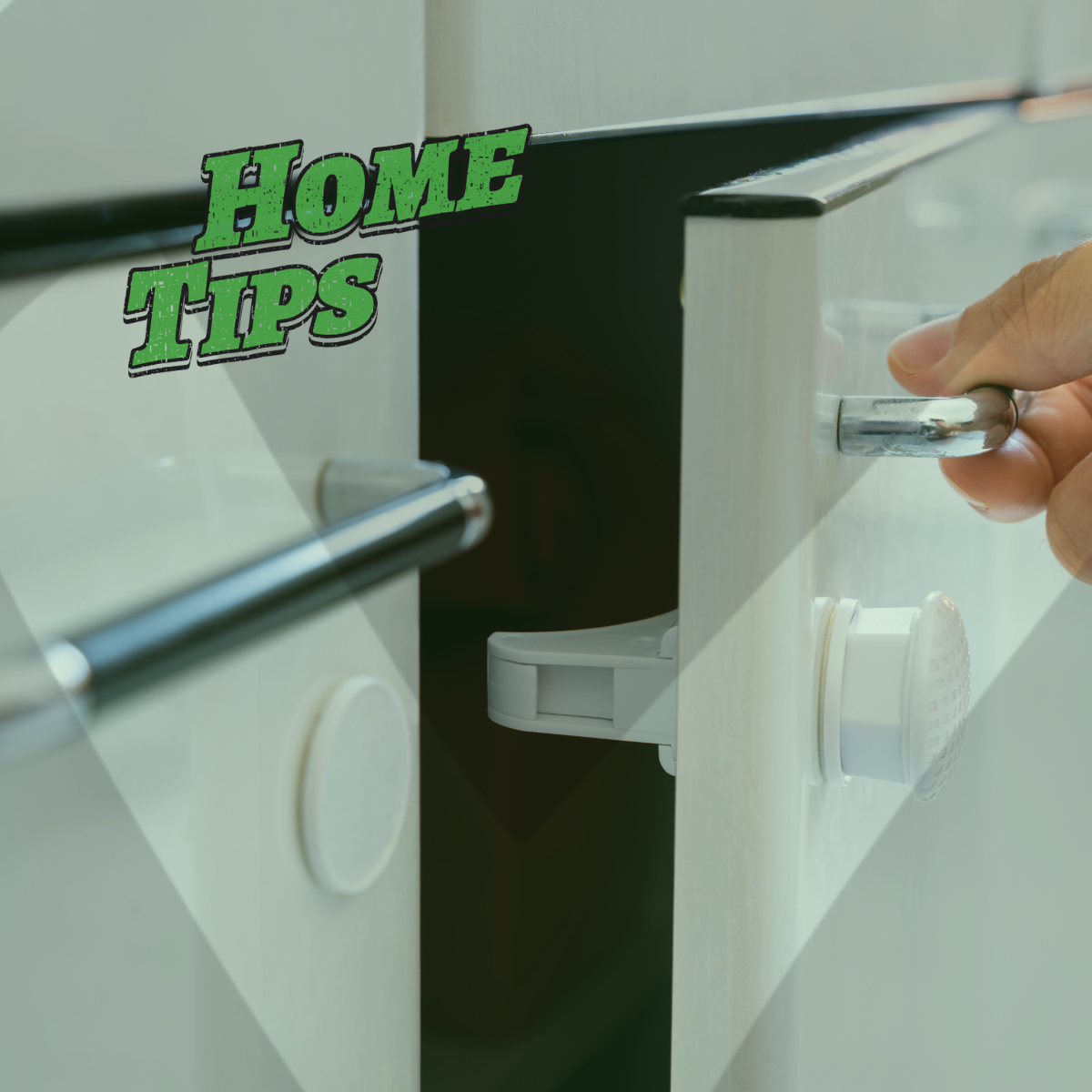
Safety latches and locks help keep kids away from:
Choose locks that are:
⚠️ Tip: Child-resistant packaging is not childproof. Dangerous items should always be locked away and stored out of reach.
Experts note that some inexpensive latch styles aren’t consistently re-latched by parents, making them ineffective. The best safety product is one you’ll actually use every day.
Best for: Stairways and restricted areas
Safety gates help prevent falls and keep kids out of unsafe spaces.
Avoid older gates with large “V” openings that could trap a child’s head or neck.
Best for: Pool access, garages, utility rooms
Door locks help block access to high-risk areas.
Sliding glass doors often fail as a reliable barrier if locks aren’t re-secured every time.
🚫 Door knob covers may slow toddlers but are often ineffective for taller or determined children.
Best for: Bathrooms, kitchens
A licensed plumber may be needed for installation, but the added burn protection is worth it.
Best for: Every home—no exceptions
Smoke detectors are one of the most effective life-saving devices in any home.
Best for: Windows, balconies, decks
🔥 Fire safety reminder: At least one window per room must still open easily for emergency escape.
⚠️ Window screens do not prevent falls.
Best for: Furniture, fireplaces, hearths
These soft guards reduce injuries from sharp edges and hard surfaces. Make sure bumpers:
Best for: All unused outlets
Use outlet covers that:
For added protection, consider tamper-resistant outlets.
Best for: Near sleeping areas
Install CO detectors if your home has:
Carbon monoxide is odorless and invisible—detectors are essential.
Best option: Cordless blinds
Blind cords remain a serious strangulation risk.
If replacing blinds isn’t possible, properly securing cords is critical—but no corded blind is completely risk-free.
Best for: Bedrooms, bathrooms
These help prevent crushed fingers and hands.
Best for: Bathrooms, pools, and water areas
Having a cordless or mobile phone allows you to stay close and attentive—especially around water—without leaving children unattended.
Childproofing your home doesn’t have to be expensive or overwhelming. Small upgrades can significantly reduce risks when they’re:
During a home inspection, feel free to ask your inspector about child-safety concerns specific to your home. A safer home isn’t just about meeting standards—it’s about protecting the people who matter most.