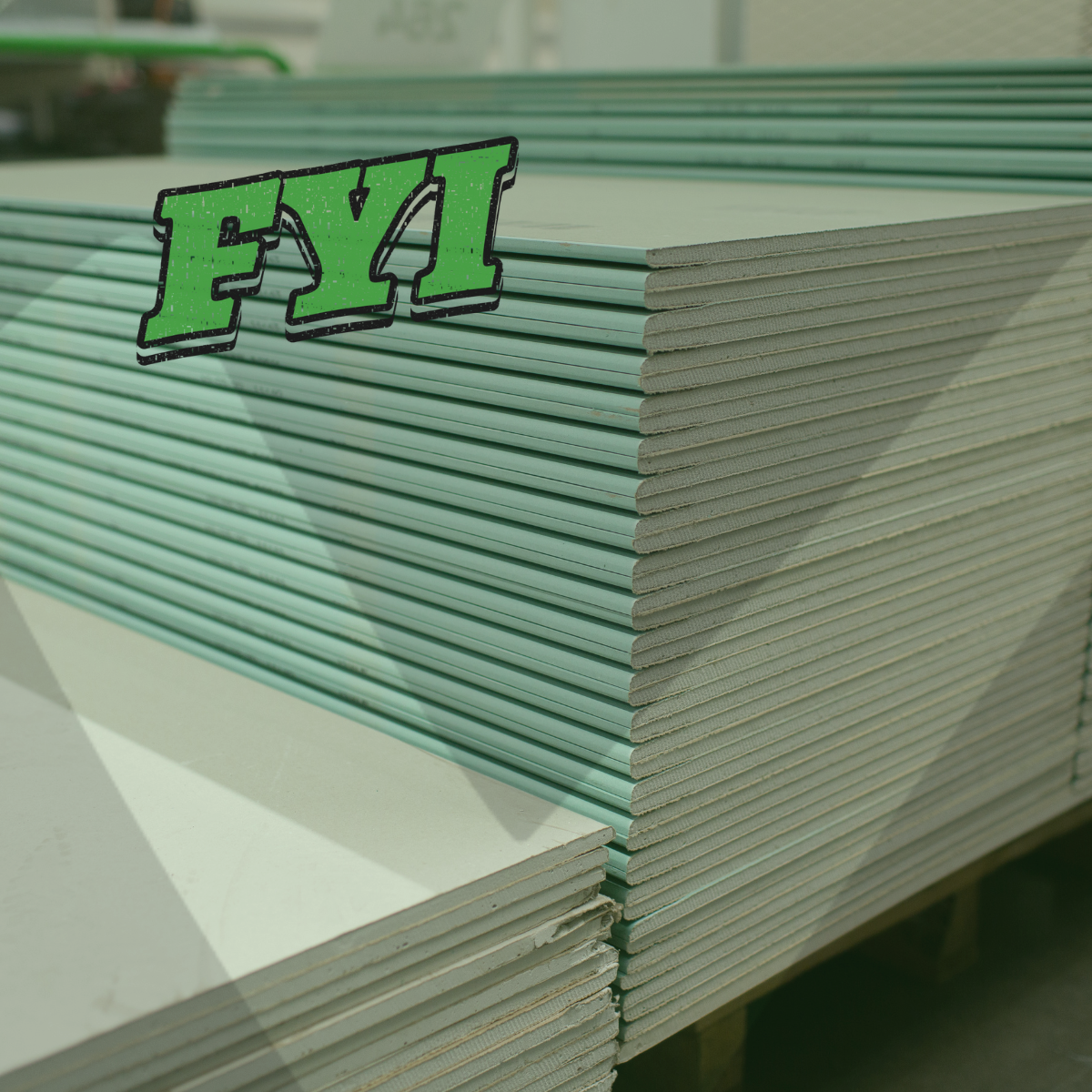
During the mid-2000s housing boom, a large amount of drywall was imported into the U.S. from China—especially in the Southeast. Much of it ended up in Florida homes built between 2004 and 2007, when building materials were scarce after Hurricane Katrina.
Some of this drywall has since been linked to corrosion issues and indoor air concerns, particularly in hot, humid climates.
Certain Chinese manufacturers used unrefined fly ash, a coal byproduct, in drywall production. In warm, moist environments, this material may release sulfur-based gases that can affect indoor air quality and corrode metal components inside the home.
An estimated 100,000 U.S. homes may contain this drywall, with Florida reporting a large number of cases.
Homes suspected of containing problematic drywall often show one or more of the following:
While not considered immediately life-threatening, prolonged exposure may contribute to:
Currently, there are no formal government or industry standards for inspecting Chinese drywall, and no recognized certification for this type of inspection.
What inspectors can do:
⚠️ Homeowners should be cautious of anyone claiming to be a “certified Chinese drywall inspector.”
Unfortunately, contaminated drywall cannot be repaired. The only permanent solution is full removal and replacement, which can cost tens of thousands of dollars.
Affected homes may experience:
Multiple class-action lawsuits have been filed against builders, suppliers, and manufacturers tied to this issue.
The Florida Department of Health found notable differences between U.S.-made drywall and some Chinese samples, including sulfur odors when exposed to heat and moisture. Other studies, including those by builders and manufacturers, have reported conflicting results.
At this time, no definitive scientific ruling has assigned sole responsibility to Chinese drywall, but damage linked to sulfur-related corrosion remains a documented concern in the Southeast.
Regardless of origin, drywall-related contamination can damage a home’s systems and impact occupant comfort and health. While no official inspection standard exists, awareness is critical, especially for homes built during the mid-2000s.
If you suspect an issue: